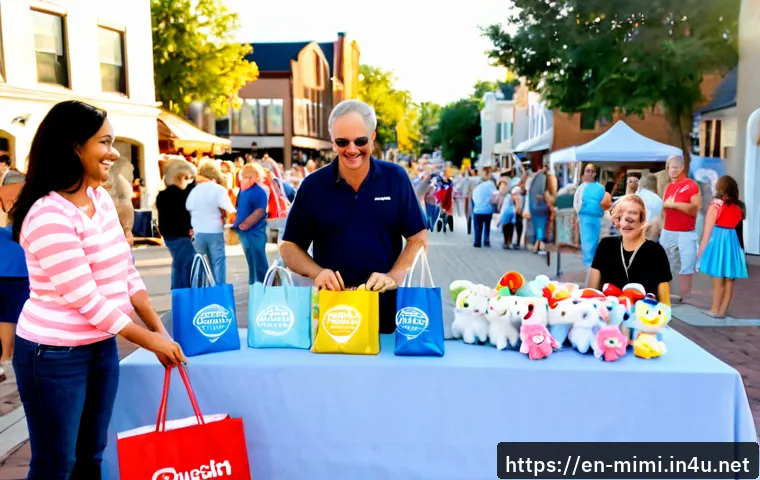
Choose a Mimi-themed event format by starting with the outcome: a small meetup for community connection, a workshop or online session for lead capture, and a pop-up or launch event for broader visibility.

The safest plan is one that fits your available production resources and confirms the right to use “Mimi” before any promotion begins. A simple local gathering can be useful when participation matters more than spectacle.
A branded activation may need more supplier coordination, venue review, staffing, and campaign measurement. Event planning services, venue comparisons, audiovisual rentals, ticketing tools, and print suppliers become more relevant as the guest experience becomes more complex.
Because Mimi may refer to a person, character, brand, campaign name, or community topic, do not assume its name, artwork, or merchandise can be used freely.
Build the concept around a clear purpose, request quotes based on the same scope, and leave room for practical changes.
At a Glance
- For community building: Start with a small meetup or participatory workshop that is easy to host and repeat.
- For awareness or promotion: Consider a pop-up or launch-style event with clear visual branding and guest flow planning.
- Before spending: Confirm Mimi naming and visual-use rights, then compare venue, staffing, production, and promotion requirements.
| Event format | Best primary goal | Venue and supplier needs | Staffing focus | Main cost drivers |
|---|---|---|---|---|
| Small meetup | Community connection | Simple venue, basic supplies, optional registration tool | Host, check-in support | Venue terms, refreshments, local promotion |
| Workshop | Participation and lead capture | Seating, activity materials, presentation equipment if needed | Facilitator, registration support | Materials, room setup, staff time |
| Pop-up activation | Awareness and foot traffic | Venue approval, display production, print supplier, audiovisual rental | Guest flow, brand representatives, setup crew | Location, fabrication, equipment, promotion |
| Launch event | Brand visibility or sales support | Event planner support, production vendors, ticketing or RSVP platform | Production lead, guest services, safety coordination | Venue, staffing, technical production, documentation |
| Online session | Reach and registration | Streaming platform, presentation assets, registration workflow | Host, moderator, technical support | Promotion, platform features, content production |
What Makes a Mimi-Themed Event Useful for Your Goal?
A Mimi-themed event works best when the theme supports a specific outcome rather than acting as decoration alone. Awareness may call for a visible pop-up, while community engagement is often better served by a smaller gathering where guests can participate. If your goal is lead generation, use a clear registration process and define what information is appropriate to collect. For direct sales, connect the event to a straightforward offer without turning every activity into a sales pitch.
Match the purpose to awareness, community engagement, lead capture, or direct sales
Ask one practical question first: what should attendees do after the event? They may follow a campaign, join a community list, request information, return to a business, or make a purchase. That answer shapes the format. A workshop can create useful conversations and registrations. A local meetup can strengthen relationships. A launch event can provide a stronger setting for product demonstrations, media assets, or promotional content.
Confirm permission, naming, and visual-use requirements before promotion
“Mimi” can refer to several different things, including a protected trademark, copyrighted character, artist name, brand, or independently usable community topic. Confirm ownership and usage rights before printing signage, publishing event pages, creating merchandise, or buying paid promotion. Check whether you may use the name, logos, images, character artwork, photographs, or related products. If permission is unclear, use a neutral concept description until the issue is resolved.
Quick answer: fit the format to audience size and production resources
Use a small format when your team needs a manageable test. Choose a more produced activation only when you can support its operational demands, from setup and guest flow to supplier coordination and follow-up. A polished concept cannot compensate for an unclear event purpose or missing approvals.
Compare Event Formats, Budget Drivers, and Expected Value
There is no universal Mimi event budget because costs vary by location, guest count, venue type, staffing, permits, equipment, and promotion. Instead of looking for one price, prepare a comparable scope for every venue and supplier quote. This makes it easier to see what is included, what is optional, and what can change the total cost.
Small meetup, pop-up activation, workshop, launch event, and online session compared
A small meetup is usually the simplest path for local relationship building. A workshop gives attendees a reason to stay engaged through an activity or discussion. A pop-up activation can attract attention but needs stronger visual planning, venue approval, and on-site staffing. A launch event may be appropriate for a wider promotional moment, but it needs a detailed production plan. An online session can simplify physical logistics while placing more emphasis on registration, presentation quality, and technical moderation.
Core budget categories: venue, staffing, production, promotion, insurance, and contingency
Separate spending into essentials and experience upgrades. Essential items may include venue access, basic staffing, required equipment, promotion, insurance where applicable, and a contingency for operational changes. Experience upgrades can include elaborate displays, custom print materials, additional audiovisual effects, branded gifts, or expanded content capture. Do not remove safety, accessibility, or approval-related items simply to fund visual extras.
When professional event support or vendor quotes are worth considering
Professional event planning support can be useful when several suppliers must work to one schedule, when technical production is involved, or when the event is public-facing. Request venue, audiovisual rental, print production, and staffing quotes using the same event brief. Include setup access, included equipment, restrictions, cancellation terms, and the exact responsibilities of each supplier. A cheaper quote may not be comparable if it excludes critical work.
How to Plan the Event Without Common Operational Mistakes
A reliable event plan moves from approval to delivery in clear stages. Start with the concept, rights review, and a basic budget structure. Then confirm the venue and suppliers before promoting details that may still change. Keep one version of the event brief so every team member works from the same assumptions.
Build a timeline for approval, booking, promotion, registration, and follow-up
First, approve the event purpose, Mimi usage, audience, and core message. Next, review venue availability, insurance needs, accessibility planning, and local permit checks. After supplier scopes are confirmed, publish the registration or event information. Use the final stage for reminders, a run-of-show, staff briefing, attendee communication, and follow-up materials.
Create a practical run-of-show and responsibility checklist
Your run-of-show should list arrival times, setup tasks, equipment checks, doors opening, key activities, breaks, closing, and teardown. Assign one owner to each task. Include a contact list for the venue, event planner, equipment supplier, print supplier, and lead staff member. “Someone will handle it” is not an assignment.
Avoid overpromising attendance, skipping accessibility needs, or overlooking cancellation terms
Do not market unconfirmed guests, activities, or event features. Review accessibility needs early rather than treating them as a last-minute addition. For public-facing events, check venue approval, insurance expectations, and applicable local permits. Read cancellation and change terms before signing, especially where staffing, equipment, or custom production is involved.
Choose the Right Approach for Local, Brand, and Community Events
The right approach depends on whether the event is meant to bring neighbors together, support a small business, or create a larger branded moment. The theme should make the experience easier to understand, not create uncertainty about who is hosting or what attendees will receive.
Low-cost community gathering: prioritize partnerships and simple participation
For a local event, focus on a welcoming host, a simple activity, and practical partnerships. A shared venue or community partner may reduce complexity, but responsibilities should still be clear. Keep the experience easy to explain: what is happening, who it is for, and whether registration is needed.
Small-business promotion: connect the theme to a clear offer
A small business can use a Mimi-related concept to make a promotion more memorable, provided naming and visual rights are confirmed. Keep the offer clear and optional. For example, build the event around a demonstration, conversation, or community activity, then give interested visitors a simple way to learn about the business afterward.
Larger branded activation: plan for flow, safety, documentation, and measurement
A larger activation needs more than a strong visual idea. Plan how guests enter, move, wait, participate, and exit. Consider staffing coverage, safety procedures, documentation needs, and how campaign outcomes will be measured. Useful measures depend on the goal and may include registrations, inquiries, participation, or follow-up interest rather than unsupported attendance claims.
Selection Criteria and Comparison Summary
Before choosing a provider, compare venue capacity, transport access, included equipment, restrictions, accessibility, and total cost. Compare suppliers by scope, turnaround time, cancellation policy, relevant portfolio work, and quote clarity. For event planners, confirm who manages the schedule, vendors, guest communications, and on-site decisions. For ticketing platforms, audiovisual rentals, and print suppliers, review the detailed conditions on the relevant provider page before making a commitment.
- Is the Mimi name and visual use approved for this event?
- Does the format directly support the main campaign goal?
- Are venue approvals, insurance, accessibility, and permit checks addressed?
- Do supplier quotes cover the same scope and responsibilities?
- Is there a clear owner for every key event task?
Conclusion
A Mimi-themed event does not need to be large to be useful. Start with the intended outcome, select a format your team can operate confidently, and confirm the rights behind the theme before public promotion. A clear scope also makes venue and supplier comparisons more meaningful. When the basics are sound, experience upgrades can be added with better control.
Useful Information to Know
Keep one event brief: use it for venue inquiries, supplier quotes, staff instructions, and promotional copy.
Separate essentials from upgrades: this helps protect core operational needs when plans change.
Use a follow-up plan: decide before the event how registrations, inquiries, or community feedback will be handled afterward.
Key Considerations
This is a general planning guide, not a statement about any specific Mimi-related brand, character, person, or campaign. Rights ownership, venue rules, local permit requirements, insurance expectations, audience size, and supplier pricing must be confirmed for the specific event. Do not publish names, artwork, merchandise, or promotional claims until the relevant approvals are clear.
Frequently Asked Questions
Q1. How much should a small Mimi-themed event budget for venue, promotion, and supplies?
A1. Costs vary substantially by location, guest count, venue type, staffing, permits, equipment, and promotion. Build a scope that separates essential items from optional upgrades, then request comparable quotes from venues and suppliers.
Q2. Do I need permission to use the name, artwork, or merchandise associated with Mimi?
A2. You may need permission, depending on what Mimi refers to and who owns the relevant rights. Confirm whether the name, artwork, logos, images, or merchandise are protected before using them in event promotion or production.
Q3. Which event format is best for a business that wants community engagement and measurable leads?
A3. A workshop or small participatory gathering can balance conversation with a practical registration process. Define the engagement activity first, then use a clear and appropriate follow-up path for attendees who want more information.