A Mimi-themed exhibition is worth visiting when the official program offers more than merchandise and photo walls, and the ticket, travel time, and queue expectations fit your plan.
If your main goal is shopping for character goods, a free pop-up or merchandise-only visit may be the better value. Because “Mimi” can refer to different characters, brands, or mascots, confirm the organizer and format before purchasing any exhibition pass.
Compare admission, transport, optional purchases, and the time required—not just the ticket price. Collectors should also treat limited items as personal purchases, not guaranteed investments.
A little planning can prevent missed entry slots, resale-ticket problems, and an over-budget day out.
At a Glance
- A ticket is usually more worthwhile when the event includes curated displays, activities, or a substantial exhibition experience beyond shopping.
- A pop-up shop may be enough if your priority is photos, character merchandise, or a short stop during another outing.
- Before paying, confirm the official organizer, timed-entry rules, ticket terms, accessibility, and merchandise restrictions.
| Visit Option | Best For | What to Compare Before Choosing |
|---|---|---|
| Full exhibition ticket | Dedicated fans, families, and visitors who want displays and activities | Exhibit content, admission terms, travel distance, queue time, and photography rules |
| Pop-up shop or photo experience | Casual fans focused on merchandise or social photos | Whether entry is free, shopping access, expected crowds, and item availability |
| Bundled pass | Visitors already planning nearby attractions or venue activities | What is actually included, time limits, exclusions, and whether each part suits your schedule |
| Merchandise-only shopping | Collectors with a specific purchase goal | Purchase limits, stock rules, payment options, and safe transport for collectibles |
What an In-Person Mimi Event May Include—and How to Tell if It Is Worth the Trip
The first question is simple: are you buying an exhibition experience, or access to a store? A Mimi event can take many forms because the name may refer to different fictional characters, brands, or independently created mascots. Do not assume that every listing offers original art, large installations, or a long visit.
Exhibition, pop-up shop, photo experience, and fan gathering: key differences
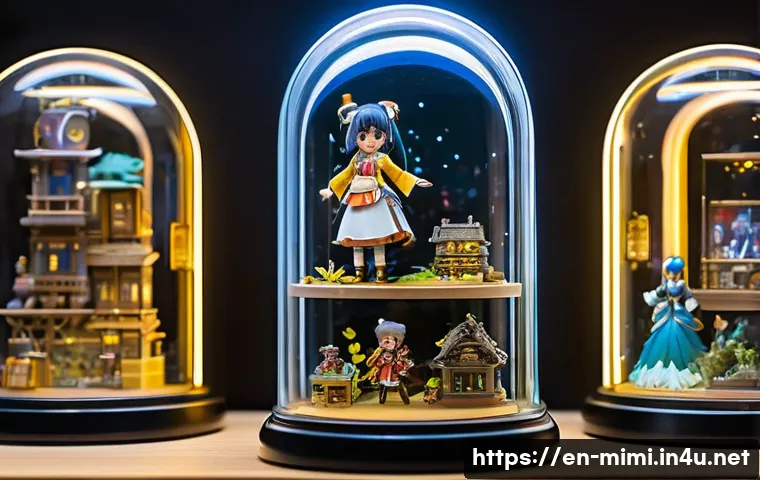
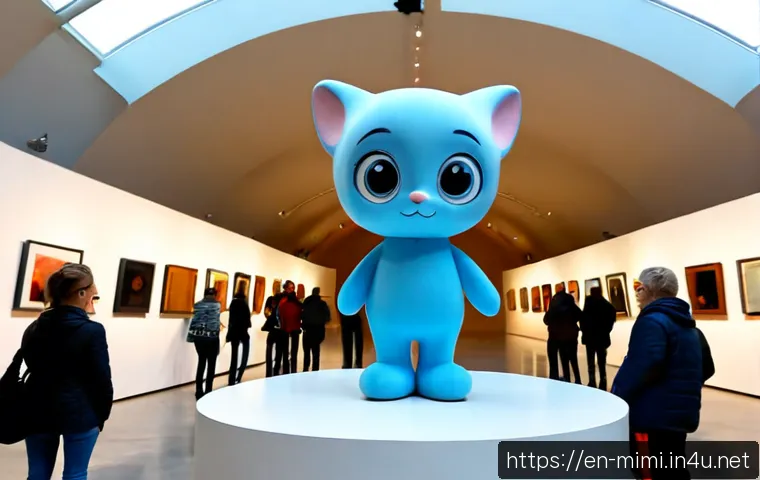
A full exhibition may include curated displays, themed spaces, informational panels, activities, and a retail area at the end. A pop-up shop is usually centered on character merchandise, with limited decoration or a small photo spot. A photo experience may focus on visual sets and short timed access. A fan gathering can be community-led and may have a different structure from an official licensed event.
Read the official event description for specific language about exhibits, installations, workshops, entry times, and retail access. If the details mainly mention products, purchase benefits, and display samples, it may function more like a retail pop-up than a museum-style exhibition.
The fastest way to match the event format to your expectations
Ask what would make the trip satisfying even if a favorite item sells out. If your answer is “seeing the displays,” an exhibition ticket may fit. If your answer is “buying a keychain, figure, or limited item,” check whether store access is possible without paid admission. If your main purpose is family entertainment, look for clearly stated activities and venue facilities rather than relying on promotional images alone.
Travel time matters. A compact event can still be enjoyable when it is nearby or part of a larger day out. It can feel less worthwhile when a long journey is made for a brief retail visit.
Compare Ticket Value, Travel Costs, and Merchandise Before You Commit
Ticket pricing is only one part of the decision. A realistic comparison includes the full cost of attending and the amount of time the visit requires. This is especially useful for families, collectors, and anyone comparing a character exhibition with other local attractions or museum passes.
A simple cost checklist: admission, transport, food, parking, and optional purchases
Before booking, list admission, local transport or fuel, parking where applicable, food, and a merchandise budget. Add any optional costs connected to the venue or surrounding activities. This does not mean you need to avoid spending; it means you can decide in advance what the experience is worth to you.
For collectors, separate the ticket budget from the collectible merchandise budget. A limited-edition item can be tempting after waiting in line, but the event atmosphere should not replace a quick check of the item details, purchase limits, and condition.
When a premium or timed-entry ticket can make sense
A timed-entry ticket can be useful when you want a more predictable arrival plan, especially if you are traveling with children, coordinating a group, or fitting the event around transport reservations. A premium option may be reasonable only when its included benefits are clearly stated and useful to you.
Compare the entry window, any included items, and the practical effect on your day. Do not assume that a higher-priced ticket guarantees unrestricted access, shorter queues, or merchandise availability unless the official terms specifically say so.
What to verify before considering resale tickets or bundles
Start with the official organizer’s ticket terms. Check whether tickets are transferable, whether names or identification are required, and whether refund or exchange rules apply. Unofficial resale tickets can create avoidable problems if the event uses timed entry, non-transferable tickets, or changed venue rules.
For a bundled pass, confirm every included component. A bundle only creates value when you genuinely plan to use the included attractions, entry periods, or offers. Otherwise, a standard exhibition ticket or a merchandise-only visit may be simpler.
Plan a Smoother Visit Without Missing the Best Parts
A good plan is not about scheduling every minute. It is about leaving enough room for entry procedures, queues, exhibit viewing, shopping, and breaks. Official event pages are the best place to verify the latest rules before you leave.
Check entry windows, venue rules, accessibility, and photography policies
Confirm your entry window, venue address, access route, and whether re-entry is allowed. Also review accessibility information, stroller policies, bag rules, and photography restrictions. Some displays may allow photos while other areas may not, so it is better to know the policy before planning content or bringing extra equipment.
If accessibility is important for your group, look for official details rather than assuming that a venue layout will meet your needs. When information is unclear, contact the event organizer before purchasing.
Build a realistic schedule for queues, exhibits, shopping, and nearby activities
Arrive with enough time to handle check-in without turning the day into a rush. Then decide the order that suits your purpose. Collectors may want to understand merchandise rules early, while families may prefer to enjoy the exhibits before children become tired. Content creators may need to identify permitted photo areas before waiting for a shot.
Nearby museums, food options, or family attractions can improve the overall value of the trip, but only if they fit the time available. Avoid stacking too many bookings around a timed exhibition entry.
Bring a spending limit and a safe way to carry collectibles home
Set a practical spending limit before entering the retail area. Consider whether you can safely carry prints, boxed items, or fragile collectibles during the rest of the day. Keep receipts when available and inspect an item’s visible condition before leaving the purchase area if the organizer permits it.
Tips for Collectors, Families, Casual Fans, and Content Creators

The same Mimi event can offer very different value depending on why you are attending. Match your planning to your main goal, not to the fear of missing out around a limited run.
Collectors: edition details, purchase limits, and condition checks
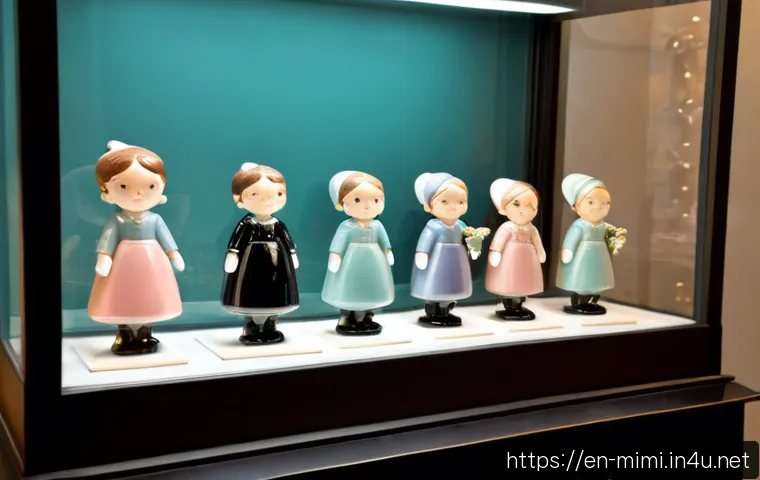
Collectors should look for edition details, purchase limits, availability rules, and item condition. Limited merchandise may have restrictions, timed sales, or limited stock. Those factors do not establish future resale value; they simply affect how the event handles purchases.
Choose items you would be happy to keep. If you are comparing collectible merchandise, use official product information and check what is included before paying.
Families: age suitability, stroller access, rest areas, and total visit length
Families should confirm age policies, stroller access, rest areas, and the expected length of the visit. A character theme does not automatically mean that every installation, queue, or venue environment will suit all ages. A shorter pop-up may be ideal for a young child, while a full exhibition may be better for older fans who can engage with the displays.
Casual visitors: how to enjoy the event without overspending
Casual fans can make the visit enjoyable by choosing one priority: photos, displays, a small souvenir, or a shared outing. A fixed merchandise budget and a short list of desired items reduce impulse purchases. If the official listing does not show enough non-shopping content, a free pop-up may be the smarter choice.
Content creators: plan around permissions, not assumptions
Creators should verify photography and filming policies before building a content plan. Do not assume commercial filming, tripods, lighting, or long photo sessions are permitted. Focus on respectful coverage that follows venue rules and does not block other visitors.
Common Mistakes at Character Exhibitions and How to Avoid Them
Most disappointing visits come from mismatched expectations rather than from the event itself. A few checks before purchase can prevent common issues.
Assuming every event has original art or large-scale installations
Promotional artwork can make a compact pop-up look larger than it is. Check the official description for specific exhibit features, activities, and visitor information. If those details are not provided, keep your expectations flexible and avoid treating it as a guaranteed full-scale exhibition.
Buying tickets before confirming the official organizer and refund terms
Confirm who organizes the event and review the official ticket conditions before paying. Dates, venues, age policies, entry procedures, refunds, and re-entry rules can vary. This step is particularly important when a Mimi name could refer to more than one character or brand.
Treating limited merchandise as guaranteed investment value
Limited does not mean guaranteed value. Purchase collectibles because you enjoy them, not because you expect a future return. Check official item details, purchase restrictions, and visible condition, then decide whether the item fits your personal budget.
Selection Criteria and Comparison Summary
Use these final checks before booking: confirm the official organizer; identify whether the event is a full exhibition, pop-up, photo installation, or fan gathering; compare total admission and travel costs; review timed-entry and refund terms; check access and photography policies; and set a merchandise limit. Choose a full exhibition when the displays, activities, and travel distance justify admission. Choose a pop-up or store visit when shopping and photos are your main goals. Check the official event page for ticket terms, timed-entry options, and current visit conditions before purchasing.
In Closing
A Mimi-themed event can be a fun outing when its format matches your reason for going. The best ticket choice is not always the biggest package; it is the option that gives you enough exhibition time, convenient access, and a manageable total budget. Confirm the event’s official status and rules, then plan around what you genuinely want to see or buy. That approach works for collectors, families, and casual fans alike.
Useful Things to Know
1. “Mimi” may refer to different characters, brands, or mascots, so verify the specific intellectual property and organizer.
2. Timed entry, purchase limits, and stock restrictions may apply to limited merchandise.
3. Accessibility, photography, re-entry, and refund policies should be checked with the official organizer.
4. A nearby free pop-up can be a better fit than a ticketed exhibition when merchandise is your main interest.
Important Notes
Event dates, venues, opening hours, ticket prices, age rules, transport access, and merchandise inventory are not fixed across Mimi-themed events. This guide is a general planning framework, not confirmation of a particular exhibition. Always rely on the official organizer for current ticket conditions, venue information, and purchase policies.
Frequently Asked Questions
Q1. How can I tell whether a Mimi event is a full exhibition or only a merchandise pop-up?
A1. Review the official event description for details about curated displays, installations, activities, exhibit areas, and expected visit format. If the information mainly focuses on products, purchase benefits, and retail displays, it may be a pop-up rather than a full exhibition.
Q2. Are character exhibition tickets worth the cost for casual fans?
A2. They can be, if the event offers displays, activities, or a convenient outing that you would enjoy beyond shopping. For casual fans mainly interested in a photo or souvenir, a free pop-up or merchandise-only visit may offer better value.
Q3. What should collectors check before buying limited-edition items at an offline event?
A3. Check official edition details, purchase limits, availability rules, and the item’s visible condition. Keep your budget separate from ticket and travel costs, and avoid assuming that limited merchandise will have guaranteed future value.