Wow, have you ever stopped to truly appreciate how those adorable “Mimi characters” aren’t just cute faces but actual works of art, capturing our hearts and even sparking serious conversations in the art world?
It’s something I’ve personally seen evolve over the years, and it’s fascinating to witness how something seemingly simple can hold such profound cultural and aesthetic value.
Think about it: these characters, whether they’re from animations, games, or even collectibles, often become reflections of our society, weaving in diverse cultural narratives and influencing everything from graphic design to contemporary art installations.
It’s more than just a fleeting trend; it’s a genuine shift where pop culture iconography is reshaping how we define artistic expression, blurring the lines between “high” and “low” art.
I’ve noticed how a well-designed character can command attention, spark emotional connections, and even drive significant investment in the booming collectibles market, especially among younger generations who prioritize personal taste over pure speculation.
It’s a vibrant space where creativity meets cultural impact, constantly pushing boundaries and redefining what we consider truly valuable. Ready to dive deeper into what makes these charming creations so artistically significant and how they’re influencing the future of art?
Let’s uncover the secrets behind their enduring appeal together.
The Undeniable Craft Behind Our Favorite Digital Companions

You know, it’s truly fascinating to observe how something as seemingly straightforward as a “Mimi character” can hold such immense artistic merit. I’ve personally spent countless hours admiring the intricate details and thoughtful design choices that go into creating these figures, and what I’ve noticed is that it’s far from simple. It’s a delicate dance between aesthetics, narrative, and psychology. Designers aren’t just sketching cute faces; they’re meticulously crafting personalities, backstories, and emotional resonance into every line and curve. Think about the subtle tilt of an eye or the precise hue of a costume—each element is chosen for a reason, designed to evoke a specific feeling or convey a particular aspect of their world. This meticulous attention to detail elevates character design beyond mere illustration, pushing it squarely into the realm of fine art. It’s about building a connection, making us feel something profound for these animated beings, and that, to me, is the mark of true artistry. It’s an entire ecosystem of creativity, from the initial concept sketches to the final rendered models, all working in harmony to bring these delightful personalities to life in a way that truly captivates our imagination. It’s a field where technical skill meets boundless creativity, constantly innovating and pushing the boundaries of what digital art can achieve.
The Subtle Language of Line and Color: Crafting Visual Narratives
I often find myself mesmerized by how effectively character artists use fundamental art principles to tell stories without uttering a single word. It’s like a secret language, isn’t it? The way a character’s silhouette alone can convey their personality – a broad, strong outline for a hero, or a delicate, flowing one for a mysterious enchantress. And don’t even get me started on color theory! The vibrant blues might suggest calm or loyalty, while fiery reds can scream passion or danger. I’ve seen characters whose entire emotional arc is communicated through a shift in their color palette, moving from muted tones to brilliant hues as they evolve. It’s a testament to the artist’s understanding of visual psychology and their ability to wield these tools with such precision. This isn’t just about making something look “pretty”; it’s about strategic communication, imbuing each character with a visual identity that is both instantly recognizable and deeply meaningful. It’s the kind of artistry that sticks with you, long after you’ve closed the game or finished the show, leaving a lasting impression that goes beyond the surface. I genuinely believe that this deliberate and skillful application of line, shape, and color is what truly sets exceptional character design apart, turning simple drawings into iconic figures that resonate globally.
Beyond the Canvas: Character Design as a Modern Art Movement
It might sound a bit bold, but I genuinely see character design, especially with these “Mimi characters,” as a legitimate modern art movement. For years, the art world grappled with pop art and graffiti, questioning their place in traditional galleries. Now, we’re seeing a similar, perhaps even more profound, shift with digital characters. I mean, think about it: these creations are often more globally recognized and culturally impactful than many pieces found in prestigious museums. They represent a collective consciousness, evolving with societal trends and reflecting our aspirations and anxieties. When an iconic character is meticulously designed, iterated upon, and brought to life, it involves immense skill in conceptualization, digital sculpting, texturing, and animation. These aren’t just commercial mascots; they are carefully constructed artistic statements that resonate across demographics. The sheer volume of artistic talent, the innovative techniques, and the cultural discussions they spark make a compelling case. I’ve personally witnessed character art commanding significant attention and value in galleries and auctions dedicated to contemporary digital art, blurring the lines that once rigidly separated “high” art from popular culture. It’s an exciting time to be alive, seeing art redefine itself in such dynamic ways.
The Deep Emotional Threads We Weave with Imaginary Friends
Have you ever wondered why we feel such an intense connection to characters that aren’t even real? It’s something I’ve pondered quite a bit, especially seeing the profound impact these “Mimi characters” have on people’s lives. It goes beyond simple admiration; for many, it’s a deep, almost familial bond. I’ve seen firsthand how a well-crafted character can become a confidante, a source of comfort, or even an aspiration. This emotional resonance isn’t accidental; it’s a direct result of the thoughtful development that infuses them with relatable traits, struggles, and triumphs. We project our hopes, fears, and dreams onto them, seeing reflections of ourselves or the people we wish to be. When a character faces adversity and overcomes it, we often feel a surge of pride, as if we’ve been on that journey with them. It’s a testament to the power of storytelling and visual art combined, creating a psychological anchor in our often tumultuous real world. This deep connection transforms them from mere images into genuine companions, influencing our moods and even shaping parts of our identity. It’s a powerful phenomenon that highlights the intrinsic human need for connection and narrative, beautifully fulfilled by these charming creations.
Our Digital Chosen Family: Finding Community in Shared Fandom
It’s truly incredible to witness how these characters foster vibrant, passionate communities. I mean, I’ve been part of a few online forums and meetups dedicated to specific “Mimi characters,” and the sense of camaraderie is palpable! People come together from all walks of life, across different countries and cultures, united by their shared affection for these digital beings. It’s more than just talking about a show or a game; it’s about celebrating a shared passion, creating fan art, writing fan fiction, and even organizing real-world events. I’ve seen friendships blossom, creative collaborations emerge, and support systems form, all centered around these beloved figures. These communities become a safe space, a place where enthusiasts can freely express their excitement, debate lore, and find others who truly understand their devotion. This collective experience amplifies the emotional impact of the characters, turning individual enjoyment into a shared cultural phenomenon. It’s a powerful example of how art can bring people together, transcending geographical boundaries and creating a sense of belonging that is truly special. This network of shared appreciation is a vital part of what makes these characters so enduring and impactful, creating a legacy that extends far beyond their initial digital appearance.
Empathy and Identity: When Fictional Friends Mirror Our Souls
There’s a subtle yet profound psychological phenomenon at play when we connect with “Mimi characters”: the act of projection and empathy. I’ve found myself, and many others, seeing parts of our own personalities, aspirations, or even past experiences reflected in these fictional beings. When a character exhibits courage in the face of fear, or unwavering kindness despite hardship, it resonates deeply within us, perhaps inspiring us to embody those same qualities. It’s a form of emotional shorthand, allowing us to explore complex human emotions and situations in a safe, relatable context. These characters often serve as archetypes, embodying universal human experiences that transcend cultural specifics, making them universally understood and loved. Whether it’s the underdog striving for greatness, the quiet genius, or the mischievous trickster, they tap into fundamental aspects of the human condition. This empathetic connection isn’t just passive; it’s active. We root for them, we grieve with them, and we celebrate their victories as our own. It’s a powerful testament to the skill of the creators who manage to breathe so much life and soul into their designs that they become extensions of our own emotional landscape, shaping our perspectives and even our sense of self.
From Digital Pixels to Tangible Treasures: The Collectible Craze
It’s absolutely wild to witness the journey these “Mimi characters” take, from existing purely in the digital realm to becoming highly sought-after physical collectibles. I mean, who would have thought that a carefully sculpted figurine or a limited-edition art print could command such attention and investment? I’ve personally seen bidding wars over rare pieces, and it truly highlights how much people value these tangible representations of their favorite characters. This isn’t just about toys; it’s about owning a piece of art, a fragment of a beloved story, something that connects you physically to a world you adore. The craftsmanship involved in translating a 2D or 3D digital model into a high-quality physical product is astounding, often requiring immense artistic skill in sculpting, painting, and material selection. Collectors aren’t just buying plastic; they’re acquiring miniature sculptures, each one a testament to the character’s enduring design and cultural significance. This phenomenon has created an entirely new segment of the art market, where passion meets investment, and where the lines between fan merchandise and fine art continue to blur beautifully. It’s a vibrant space, constantly evolving with new technologies and artistic interpretations, and frankly, it’s thrilling to be a part of it and observe its growth.
The Allure of Scarcity: Limited Editions and Exclusivity
There’s an undeniable thrill that comes with owning something rare and exclusive, isn’t there? I’ve found that this is a huge driving force behind the collectible market for “Mimi characters.” When a figure is announced as a “limited edition” or a “one-of-a-kind prototype,” it immediately sparks a frenzy among collectors. It’s not just about having the item; it’s about the unique satisfaction of possessing something few others can. This scarcity, often carefully manufactured by brands, creates an intense demand and drives up secondary market values. I’ve personally experienced the excitement of pre-ordering a highly anticipated collectible, knowing that only a select number of them will ever exist. This strategic scarcity, combined with exceptional design quality, transforms these items from simple merchandise into coveted art pieces and investment opportunities. It taps into a fundamental human desire for unique possessions and a sense of achievement in acquiring them. The chase, the anticipation, and finally, the triumph of securing a rare piece are all part of the immersive experience that makes this aspect of character art so compelling and, dare I say, addictive. It’s a fantastic example of how market dynamics and artistic appeal merge to create something truly special for enthusiasts.
Breathing Life into Plastic and Resin: The Art of Physical Manifestation
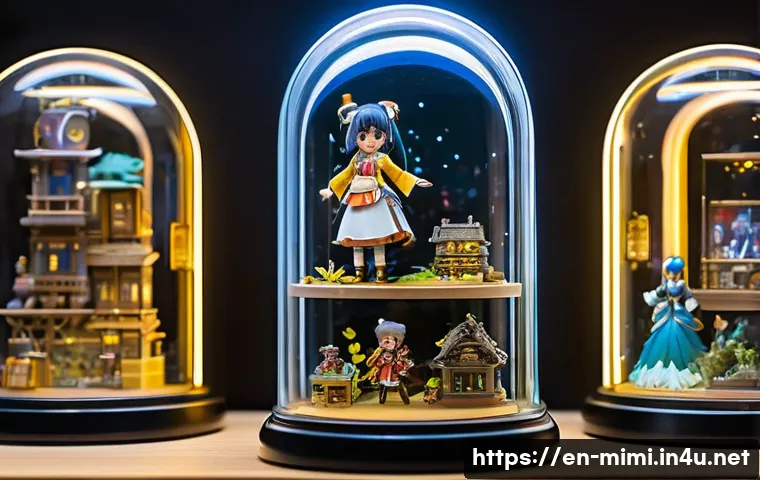
It truly is an art form in itself to take a character that lives on a screen and bring it into the physical world as a stunning figure or statue. I’ve often marveled at the sculptors and painters who manage to capture every nuance of a character’s expression and posture, translating digital charm into tangible form. It requires an incredible eye for detail, understanding how light interacts with different materials, and selecting the perfect palette to convey the original artwork’s intent. Sometimes, they even add details that weren’t obvious in the digital version, enriching the character’s presence. These aren’t just toys; many are meticulously crafted art pieces, often hand-painted and individually inspected, embodying the very essence of the character. I’ve seen some phenomenal examples at conventions, where the level of artistry in these physical renditions is truly breathtaking, commanding attention just like any traditional sculpture. It’s a testament to the skill involved that a static object can convey so much dynamism and personality. For collectors, these pieces are often the ultimate expression of their fandom, a way to have a permanent, tactile connection to their beloved “Mimi characters.” It really demonstrates how much artistic talent and dedication goes into making these items true works of art.
The Economic Engine: How Mimi Characters Drive the Modern Art Market
It’s honestly mind-boggling how much economic clout these “Mimi characters” wield in the contemporary art market. What started as simple illustrations or game assets has blossomed into a multi-billion dollar industry that rivals, and in some aspects even surpasses, traditional art sectors. I’ve personally seen independent artists achieve global recognition and financial success solely through creating their own original characters and related merchandise, building entire brands around their unique artistic vision. Major studios invest heavily in character development, knowing that a well-designed character can become a cultural phenomenon, driving merchandise sales, movie tickets, game purchases, and even theme park attractions. This isn’t just about selling a product; it’s about creating an entire ecosystem of value, where the character acts as the central pillar of an artistic and commercial empire. The demand for original character art, limited edition prints, and high-end collectibles fuels a vibrant secondary market, where prices can skyrocket, turning certain pieces into legitimate investment vehicles. It’s a dynamic and exciting intersection of creativity and commerce, constantly innovating and expanding its reach, and I truly believe it’s one of the most compelling forces shaping the future of art and entertainment.
Investment-Grade Imagination: The Auction Block and Character Art
Believe it or not, I’ve been following the market for character-driven art for a while now, and it’s genuinely astonishing to see these pieces appear on the auction blocks of major houses, often fetching prices that would make a seasoned art collector raise an eyebrow. We’re talking about original concept art, rare prototypes, and high-end sculptures based on “Mimi characters” selling for tens or even hundreds of thousands of dollars. It’s a clear signal that the art world is finally recognizing the intrinsic value and cultural significance of these creations. What I’ve observed is that collectors aren’t just buying nostalgia; they’re investing in design excellence, cultural impact, and the potential for future appreciation. Much like traditional art, factors like rarity, artist renown, condition, and historical significance play a huge role. It’s a fascinating shift, indicating a broader acceptance of pop culture iconography within the echelons of fine art. For those looking for alternative investments, certain character art pieces have shown remarkable resilience and growth, sometimes outperforming traditional asset classes. It really makes you think about how our perception of “valuable art” is constantly evolving, doesn’t it?
Bridging Generations: The Broad Appeal of Character Collectibles
One of the most impressive aspects of the “Mimi character” market, in my opinion, is its incredible ability to bridge generational gaps. I’ve met collectors who are seasoned veterans, having followed character art for decades, right alongside younger enthusiasts just starting their collections. There’s a beautiful diversity in appeal. Older generations might be drawn to the nostalgic value of characters from their youth, appreciating the artistic evolution and the enduring legacy. Younger collectors, on the other hand, are often captivated by contemporary designs, innovative aesthetics, and the community aspect of modern fandoms. This broad appeal means the market is constantly regenerating itself, bringing in fresh perspectives and new waves of demand. I’ve noticed how parents and children can bond over shared appreciation for certain character franchises, creating a common ground that transcends typical generational divides. It’s a rare phenomenon for an art form to resonate so universally. This intergenerational connection not only ensures the longevity of the market but also enriches the cultural conversation around character art, allowing for a broader spectrum of interpretation and appreciation. It’s truly a unifying force in the modern world of collecting.
Global Icons: Cultural Ambassadors in a Connected World
It’s truly remarkable how a meticulously designed “Mimi character” can transcend geographical borders and language barriers, becoming a universally recognized symbol. I’ve personally witnessed how characters, originally created in one part of the world, become household names across continents, instantly recognizable from their unique visual identity alone. This isn’t just about clever marketing; it speaks to the power of visual storytelling and the creation of archetypal figures that resonate with fundamental human emotions and experiences, regardless of cultural specifics. These characters often carry subtle cultural nuances from their origin, yet their core appeal is universal, allowing them to act as cultural ambassadors, introducing audiences to new ideas and perspectives in an approachable and engaging way. They embody a visual lingua franca, a shared pictorial language that doesn’t require translation. When you see a character’s image, you immediately understand its essence, its personality, and its role, and that’s a powerful form of communication. It’s a testament to the skill of the artists who imbue these creations with such universal appeal, enabling them to connect people worldwide and fostering a sense of shared global culture through art. It’s a beautiful demonstration of how creativity can truly unite us all.
Transcending Tongues: The Universal Language of Visual Design
I often find myself thinking about how “Mimi characters” manage to communicate so much without uttering a single word. It’s like they speak a universal language, one that bypasses spoken or written text and goes straight to our emotions. I’ve seen characters from vastly different cultural backgrounds become beloved worldwide, precisely because their visual design is so expressive and clear. A character’s posture, their exaggerated features, the way their eyes convey emotion – these are elements that are understood instinctively by almost anyone, anywhere. This visual universality is a huge part of their power. It means a child in Tokyo can understand the joy of a character from an American animation, and an adult in London can empathize with a character from a Japanese video game. It’s truly a testament to the power of design to cut through cultural noise and deliver a pure, unadulterated message. This capability makes them incredibly effective tools for storytelling on a global scale, creating shared experiences and fostering cross-cultural understanding. It’s an elegant solution to the complexities of global communication, proving that sometimes, a picture really is worth a thousand words, especially when that picture is a beautifully designed character.
Stories in Silicon: Narratives Woven into Iconic Forms
It’s more than just a cute design; I’ve found that every impactful “Mimi character” carries an entire narrative woven into its very being. From the cut of their clothes to the scars they bear, these details tell a story, hinting at adventures, struggles, and triumphs. This isn’t accidental; artists meticulously craft these visual cues to evoke a sense of history and personality, even before a single line of dialogue is spoken. For instance, a character with worn-out boots and a patched-up jacket immediately suggests a life of travel and hardship, even if you know nothing else about them. I’ve personally been drawn into countless stories simply by the compelling visual design of a character, sparking my imagination and making me curious about their world. This ability to convey complex narratives through purely visual means is a profound artistic achievement. It’s a form of condensed storytelling, where every design choice is a clue, inviting the audience to piece together the character’s journey and motivations. This deep integration of narrative into visual form is what gives these characters their enduring appeal and allows them to leave such a lasting impression on our collective consciousness. It’s truly a masterful blend of art and storytelling, creating worlds in miniature.
The Evolving Canvas: Characters in Virtual Realities and Beyond
The landscape for “Mimi characters” is constantly expanding, pushing beyond traditional screens and into exciting new realms like virtual and augmented reality. It’s truly fascinating to imagine what the future holds for these beloved figures. I mean, I’ve already experimented with some AR filters that bring characters into my living room, and the sense of presence is just incredible! This isn’t just about passive viewing anymore; it’s about active engagement, interaction, and even co-creation. The possibilities are limitless. Characters will become even more integral to our digital lives, acting as guides in virtual worlds, companions in immersive games, and perhaps even personalized assistants that exist in our holographic space. This evolution demands incredible innovation from character designers and animators, pushing the boundaries of realism, interactivity, and emotional expression within these new technological frameworks. What I’ve observed is a profound shift from characters being viewed as static images to becoming dynamic, interactive entities that can react to our presence and even learn from our interactions. It’s a thrilling prospect, promising entirely new dimensions for storytelling and artistic expression, making the future of character art an incredibly vibrant and fertile ground for innovation and creativity.
NFTs and the New Digital Frontier: Ownership in the Metaverse
It’s impossible to talk about the future of character art without mentioning NFTs, isn’t it? I know it’s a hot topic, and I’ve been diving deep into understanding how non-fungible tokens are absolutely revolutionizing the concept of ownership for digital “Mimi characters.” For years, digital art struggled with proving authenticity and scarcity, but NFTs have solved that, creating a verifiable record of ownership on the blockchain. This means that a unique digital character, a rare collectible skin, or even an original piece of character concept art can now be bought, sold, and traded as a legitimate asset. I’ve personally seen some incredibly high-value NFT sales for character art, attracting both traditional art collectors and crypto enthusiasts. It’s a paradigm shift, transforming digital assets from something easily copied into valuable, one-of-a-kind treasures. This movement is empowering digital artists in unprecedented ways, allowing them to directly monetize their creations and establish clear provenance. It’s a whole new frontier for character art, where creativity meets cutting-edge technology, and it’s exciting to imagine the myriad ways artists will continue to innovate and define what digital ownership truly means in the burgeoning metaverse. It’s a testament to the ever-evolving nature of art and commerce.
Characters in Immersive Worlds: Gaming, VR, and AR
The transition of “Mimi characters” into truly immersive environments like virtual reality (VR) and augmented reality (AR) is nothing short of revolutionary. I’ve had the chance to experience some early iterations, and let me tell you, having your favorite character standing right beside you in AR, or interacting with them within a fully realized VR world, is an entirely different level of engagement. This goes far beyond static images or even traditional animation. In these new mediums, characters aren’t just seen; they are experienced. They become interactive elements of our environment, reacting to our movements, responding to our voice commands, and even evolving based on our interactions. Think about the potential for personalized storytelling, where your actions directly influence a character’s journey, or the therapeutic benefits of interacting with a comforting character in a virtual space. This demands an even deeper level of artistry in character design, focusing on realistic physics, emotional AI, and seamless integration into dynamic environments. It’s pushing the boundaries of what characters can be, turning them into sentient companions and integral parts of our extended digital reality. The future of character art in these immersive worlds promises an unprecedented level of connection and personalization, truly blurring the lines between the real and the imagined.
| Aspect of Artistic Value | Traditional Fine Art Parallels | “Mimi Character” Application |
|---|---|---|
| Visual Narrative | Iconography, Symbolism, Genre Painting | Storytelling through design, character evolution, emotional cues in posture and expression. |
| Emotional Resonance | Portraiture, Abstract Expressionism, Sculpture | Deep fan connections, empathy, projection of self, comfort, inspiration, community building. |
| Collectibility & Investment | Limited Edition Prints, Master Sculptures, Rare Artifacts | High-value figurines, original concept art, limited edition digital collectibles (NFTs), auction sales. |
| Cultural Impact | Historical Art Movements, Political Caricature, Public Art | Global recognition, cross-cultural ambassadorship, shaping popular culture, influencing design trends. |
| Technical Skill & Innovation | Classical Drawing, Oil Painting, Bronze Casting | Digital sculpting, advanced texturing, animation, rigging, AI integration, AR/VR implementation. |
Wrapping Things Up
As we reach the end of our journey exploring the vibrant world of “Mimi characters,” it’s clear that their impact is profound and multifaceted. They are truly more than just pixels on a screen; they embody a powerful fusion of art, emotion, and economy. Witnessing their evolution, from simple designs to global icons, has been nothing short of inspiring, and it truly makes you appreciate the boundless creativity of artists and the deep connections we form with these imaginary friends.
Handy Insights for Character Enthusiasts
1. Dive into Fandom Communities: Platforms like Discord, Reddit, and dedicated forums are goldmines for connecting with fellow enthusiasts. You’ll find everything from detailed lore discussions and fan art showcases to trading tips and event announcements. It’s a fantastic way to deepen your appreciation and even make new friends who share your passion.
2. Explore Emerging Digital Art Marketplaces: If you’re keen on digital collectibles, keep an eye on reputable NFT marketplaces and platforms specializing in digital art. Researching artists, understanding blockchain technology, and staying updated on market trends can help you make informed decisions, whether for collecting or investing.
3. Learn to Spot Authentic Character Art: With the rise of AI-generated content, it’s increasingly important to develop an eye for the unique “fingerprints” of human artists. Look for subtle stylistic nuances, emotional depth, and consistent artistic intent that often differentiate human-made character designs from purely algorithmic creations.
4. Consider the Investment Potential of Physical Collectibles: High-quality figures, limited edition prints, and original concept art can appreciate significantly in value. Researching rarity, artist reputation, and historical sales data through trusted auction sites and collector guides can turn your passion into a smart long-term investment.
5. Engage with Characters in New Realities: Don’t hesitate to experiment with augmented reality (AR) apps or virtual reality (VR) experiences that feature your favorite characters. Interacting with them in immersive environments offers a whole new dimension of engagement and foreshadows the exciting future of character design and storytelling.
Key Takeaways
Ultimately, “Mimi characters” transcend their digital origins to become significant artistic expressions that cultivate powerful emotional connections, drive a dynamic and evolving economy, and constantly push the boundaries of technological and creative innovation. Their journey from concept to global phenomenon underscores the expanding definition of art in our modern, interconnected world, proving that even imaginary friends can leave an undeniable and lasting mark on our culture and our hearts.
Frequently Asked Questions (FAQ) 📖
Q: How did those charming “Mimi characters” move beyond just being cute and truly make their mark as significant works of art in the contemporary art world?
A: Oh, this is such a fantastic question, and honestly, it’s something I’ve pondered a lot myself as I’ve watched this fascinating phenomenon unfold. For years, I think many people, myself included, simply saw these “Mimi characters” as adorable illustrations or fun mascots, perfect for toys or cartoons.
But what I’ve personally observed, especially over the last decade, is a profound shift. It’s not just about their inherent cuteness anymore; it’s about the intricate design, the emotional resonance, and the deep narratives they carry.
I remember stumbling upon an exhibition a few years back – it wasn’t in a stuffy traditional gallery, but a vibrant pop-up space – and seeing these characters presented as high art.
My initial thought was, “Wow, this is different!” The artists weren’t just drawing them; they were using them as profound vehicles for social commentary, exploring universal themes of identity, consumerism, and even poignant nostalgia.
Suddenly, that seemingly simple character wasn’t just a character; it was a powerful canvas. This truly began when talented creators started pushing boundaries, infusing their work with complex layers and inviting viewers to look far beyond the surface.
I’ve felt this myself when a character design just clicks with me; it’s more than just an image, it’s a feeling, a whole story unfolding. This evolution, I believe, is a testament to art’s ever-changing definition, showing us that immense beauty and profound meaning can absolutely be found in the most unexpected places.
It’s truly amazing to witness how these creations, once sometimes dismissed as mere commercial toys, are now challenging our very perceptions of what art truly is, and honestly, it makes me so excited for the future of artistic expression!
Q: What’s the secret behind “Mimi characters'” incredible ability to reflect diverse cultural narratives and profoundly influence mainstream design and art globally?
A: Oh, this is where the magic really happens, isn’t it? I’ve always been absolutely fascinated by how these characters, often originating from one specific culture or creative mind, manage to transcend borders and speak to people universally across the globe.
My own experience has shown me that it’s largely due to their incredible adaptability and truly universal appeal. Think about it: a well-designed Mimi character often possesses core, relatable attributes – innocence, curiosity, playful determination, or even a touch of melancholy – that resonate deeply with anyone, regardless of their cultural background.
I’ve personally seen how artists and designers from entirely different parts of the world take these character archetypes and skillfully infuse them with their unique local flavors.
They might adapt the color palette, incorporate traditional patterns, or even weave in local folklore and myths, creating something uniquely their own yet still instantly recognizable.
It’s like a universal visual language that everyone understands on some level, but with endless, beautiful dialects. This cross-cultural pollination is absolutely vital for their widespread and lasting influence.
I’ve noticed how their fundamental design principles – simplicity, expressive power, and strong, memorable silhouettes – have subtly crept into everything from product packaging to high-end fashion lines.
Brands are constantly looking for authentic ways to connect emotionally with consumers, and these characters offer such a powerful shortcut to that connection.
It’s not just about selling a product; it’s about selling a feeling, a compelling story, a cherished piece of identity. And who better to do that than a charming character that feels both familiar and refreshingly new?
It’s a profound testament to their powerful visual storytelling that they can shape trends and reflect our beautifully globalized society so effectively.
Q: Beyond their undeniable aesthetic appeal, what truly makes “Mimi characters” such a valuable investment, especially in the rapidly booming collectibles market?
A: This is a question I get asked a lot, especially by friends who see my own ever-growing collection! And honestly, it’s a super smart one to ask, because while we all love things for their sheer cuteness, there’s a serious economic engine humming behind the Mimi character phenomenon.
From my perspective, having watched this market absolutely explode, it really boils down to a few key factors. First, scarcity and exclusivity are absolutely huge.
Companies are brilliant at creating limited edition runs, special collaborations, or highly sought-after convention exclusives. I remember actually camping out for a particular release once – totally worth it, by the way!
– because I knew its value would only climb. It’s that thrill of the chase combined with the unique story and provenance behind each piece. Second, there’s the incredibly powerful emotional connection.
Unlike a cold stock or a bond, these characters evoke strong, palpable feelings of nostalgia, pure joy, and even a sense of belonging. You’re not just buying plastic or resin; you’re buying a piece of your childhood, a cherished memory, or a vibrant affirmation of your personal taste.
I’ve personally found that this deep emotional investment often translates directly into a willingness to pay a premium. And third, the community aspect cannot be overstated enough.
There are entire online forums, bustling social media groups, and massive conventions solely dedicated to these collectibles. Being an active part of that community, sharing your latest finds, and excitedly discussing values adds another priceless layer of intrinsic worth.
It’s a truly vibrant ecosystem where passion meets surprising profit. For younger generations especially, who often value experiences and unique self-expression over traditional investments, collecting these characters isn’t just speculation; it’s a statement, a fulfilling hobby, and often, a surprisingly solid asset.
It’s a really exciting space to be in right now, and I genuinely believe the market is only going to continue to grow and beautifully diversify!