The Irresistible Pull: Why We Can’t Stop Collecting
The Emotional Connection: More Than Just Objects
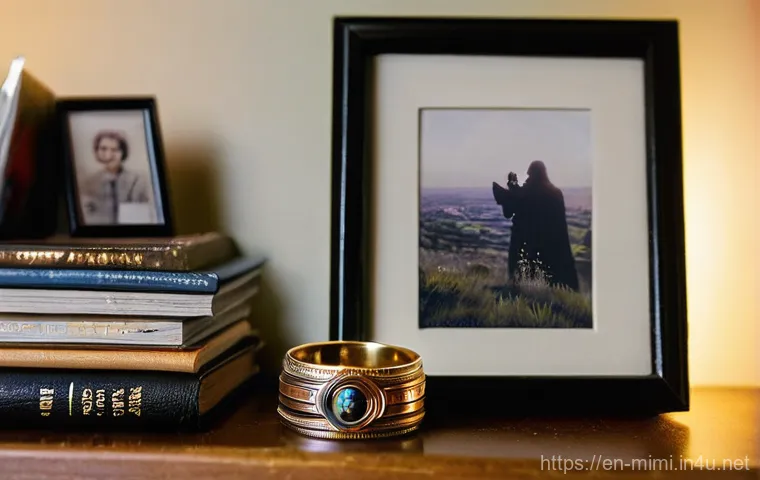
There’s something incredibly special about holding a piece of history, an item that sparks a memory or connects you to a passion. I remember vividly the first time I stumbled upon a vintage Star Wars action figure from my childhood; it wasn’t just a toy, it was a portal back to Saturday mornings and endless imaginative play. That feeling, that surge of nostalgia and joy, is what truly hooks us. It’s not just about accumulating things; it’s about collecting fragments of ourselves, our past, and our dreams. For many of us, these items are tangible representations of cherished memories, milestones, or even a deep dive into a niche interest that brings immense satisfaction. We invest not just money, but our time and emotions, making each piece a personal treasure. It’s a unique form of self-expression, a way to curate our own museum of what we love and what matters to us. This personal connection often transcends monetary value, creating a bond with our collections that’s truly unique.
Beyond Monetary Value: The Intangible Rewards
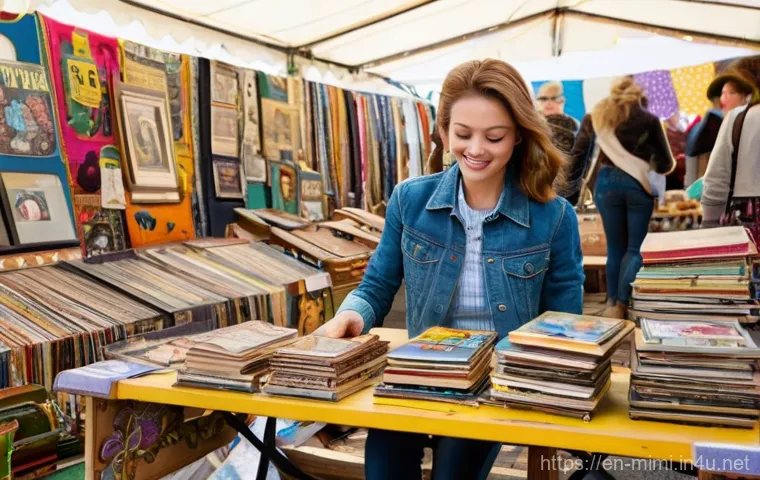
While the potential for investment is certainly a factor for some, for the vast majority of collectors, the real value lies far beyond a price tag. I’ve often found that the hunt itself, the thrill of discovery, provides an unparalleled rush. Imagine spending a quiet Saturday morning sifting through boxes at a local flea market, and suddenly, there it is – that one missing piece you’ve been searching for, tucked away almost anonymously. The adrenaline, the satisfaction of a successful quest, that’s an intangible reward. Then there’s the knowledge you gain; becoming an expert in a specific niche, understanding the history, the craftsmanship, the cultural impact of your chosen collectibles. This pursuit of knowledge is deeply fulfilling, transforming a casual interest into a profound passion. And let’s not forget the stories! Every item has a story, and often, it inspires us to create our own, weaving a rich tapestry around our cherished possessions.
The Thrill of the Hunt: Discovering Hidden Gems
Where to Scout: My Favorite Hunting Grounds
When it comes to finding those elusive gems, I’ve learned that diversity is key. You can’t just stick to one place and expect to always unearth treasures. My personal go-to spots include local estate sales – I’ve snagged some incredible finds there, often at surprisingly low prices because the sellers just want things gone quickly. You really have to get there early though, like waiting in line before the doors even open, if you want first dibs on the good stuff. Then there are the smaller, independent antique shops. They might not have the sheer volume of a larger store, but their curated selection often holds unique pieces that bigger chains overlook. Online marketplaces like eBay, of course, are indispensable, but the real trick there is to use very specific search terms and be lightning-fast with your bids. Don’t forget local classifieds or even community yard sales; sometimes the best treasures are hiding in plain sight, just around the corner. I also love visiting specialty conventions and trade shows for specific niches, whether it’s comic books, vintage toys, or classic video games. The energy is electric, and you’re surrounded by fellow enthusiasts, which always adds to the experience.
Developing Your Eye: What Makes a Find Special
Over the years, I’ve developed a sixth sense for spotting potential. It’s not just about looking for something rare; it’s about understanding what makes an item desirable. For me, condition is paramount – even a rare item loses significant value if it’s damaged. Always check for wear and tear, missing parts, or any signs of restoration, which can sometimes diminish authenticity. Beyond that, I look for uniqueness. Is there something about this piece that sets it apart? Perhaps a limited edition, a specific production run, or even a quirky design flaw that makes it more interesting. Provenance, if you can trace it, adds incredible value and a fascinating backstory. I once found a beautiful art deco lamp that had documentation tracing it back to a historic hotel in New York – that kind of history is gold! Don’t just follow the crowd; sometimes the most rewarding finds are in emerging categories that haven’t yet become mainstream, giving you a chance to be ahead of the curve. Trust your gut, but always back it up with quick research on your phone if you’re unsure about an item’s potential value or authenticity.
Navigating the Collector’s Market: What to Look For
Assessing Rarity and Condition: The Golden Rules
When you’re diving deep into the world of collecting, understanding rarity and condition isn’t just helpful; it’s absolutely crucial. I’ve seen countless times how a slight imperfection can drastically reduce an item’s value, while a pristine example of something moderately rare can fetch a premium. Rarity itself is multi-faceted; it could be a truly limited production run, an item that was only available for a short time, or something that simply didn’t survive the test of time in good condition. You need to become a bit of a detective, researching production numbers, release dates, and historical context. As for condition, always refer to established grading standards within your specific collecting niche. For action figures, that might be AFA grades; for comic books, it’s CGC or CBCS. Learn what “near mint,” “very fine,” or “good” truly mean, and scrutinize every detail. I always carry a small magnifying glass and a powerful flashlight when I’m out hunting, just to catch those tiny flaws that others might miss. It’s an investment of time, but it saves you from costly mistakes and ensures you’re making informed decisions. Never assume; always verify.
Spotting Fakes and Reproductions: A Collector’s Nightmare
Nothing sours the joy of collecting faster than realizing you’ve been duped by a fake or a clever reproduction. Trust me, I’ve been there, and it’s a hard lesson to learn. The market is unfortunately flooded with incredibly convincing counterfeits, especially for highly sought-after items. My personal rule of thumb is: if it seems too good to be true, it probably is. Always approach deals with a healthy dose of skepticism. Pay close attention to details – genuine items often have subtle imperfections or manufacturing nuances that fakes struggle to replicate. Look at the quality of materials, the weight, the specific font used in any lettering, and even the smell can sometimes be a giveaway. Research common tells for fakes in your area of interest. For example, some vintage toys have specific screw types or mold markings that are absent in reproductions. When buying online, always request multiple high-resolution photos from various angles, and if possible, ask for a photo of a specific detail you know is often faked. Buying from reputable dealers with a strong track record and clear return policies is always your safest bet. Don’t be afraid to walk away from a deal if you have even the slightest doubt about an item’s authenticity. It’s better to miss out than to regret a purchase.
Preserving Your Treasures: Tips for Longevity
Proper Storage Solutions: Protecting Your Investment
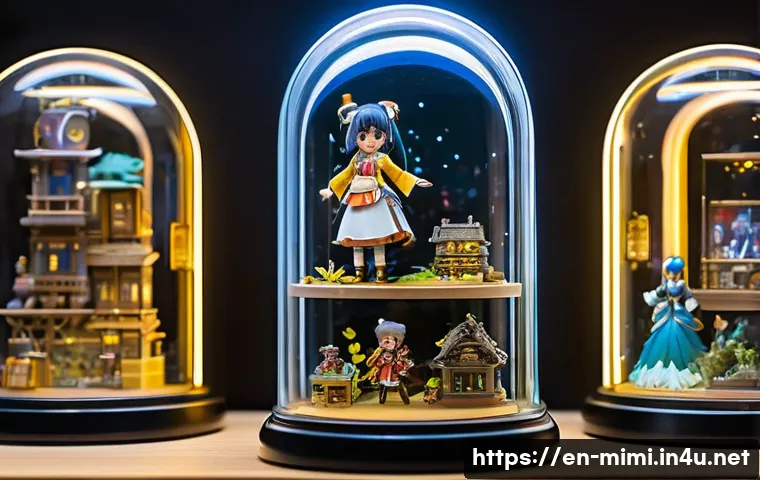
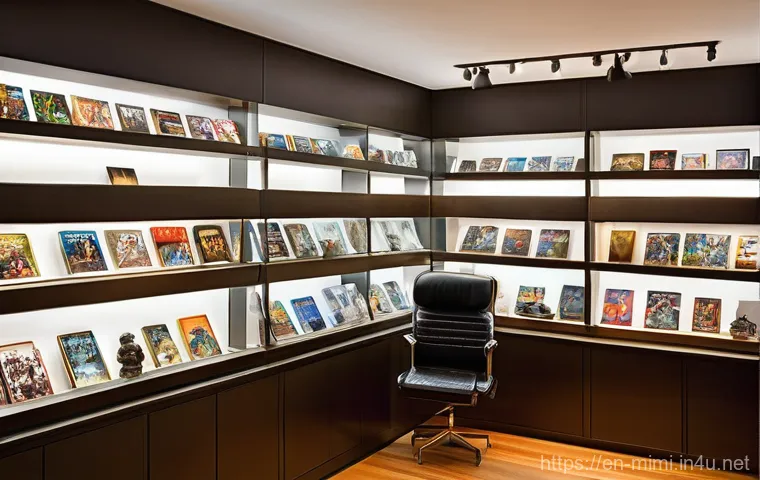
You’ve put in the time, effort, and often a significant amount of money into building your collection, so protecting it should be paramount. I’ve learned the hard way that neglecting proper storage can lead to heartbreaking damage over time. My absolute top tip is to invest in acid-free, archival-quality materials. This means special sleeves for comic books, graded card holders, display cases for figurines that block UV light, and even museum-grade clear plastics for delicate textiles. Humidity and temperature are your sworn enemies; extreme fluctuations can cause irreversible damage like warping, fading, or the growth of mold. I personally use a small dehumidifier in my storage area and keep an eye on the thermometer. Direct sunlight is another huge no-no; it will fade colors faster than you can imagine. Always try to store items in a cool, dry, dark place. For larger items, custom-built shelving or display cabinets can not only protect them but also showcase them beautifully. Think of it as creating a mini-museum for your most prized possessions – they deserve nothing less than the best environment you can provide. Don’t skimp on these protective measures; they are an investment in the longevity of your collection.
Handling with Care: Everyday Best Practices
It sounds obvious, but you’d be surprised how often simple mishandling can lead to damage. I’ve trained myself to always wash my hands thoroughly before touching any collectible, especially those with delicate surfaces or original packaging. Natural oils from your skin, even if invisible, can degrade materials over time. When handling items, try to minimize direct contact, especially with parts that are prone to damage or have intricate details. For instance, when I’m looking at a vintage poster, I always hold it by the edges, never directly on the image itself. If an item needs to be moved, plan your route and clear any potential obstacles beforehand. Never force anything; if a component feels stuck, investigate the cause rather than applying undue pressure. Use soft, lint-free gloves for particularly sensitive items like photographs or unboxed figures. For display, ensure items are stable and not at risk of falling or being knocked over. Consider earthquake putty or museum wax for items on open shelves, especially if you live in an area prone to tremors. These small, mindful habits become second nature and are absolutely critical in maintaining the pristine condition and value of your collection for years to come. Your future self will thank you for taking these precautions today.
Monetizing Your Collection: From Hobby to Income
When to Sell: Timing the Market
Deciding when to sell a part of your collection can be as strategic as deciding what to buy. I’ve learned that timing the market is crucial, and it often involves a blend of careful observation and a little bit of gut feeling. Sometimes, a specific item’s value will spike due to a new movie release, a celebrity endorsement, or a sudden surge in nostalgic interest. Keeping an eye on pop culture trends and news related to your niche is essential. For example, when a classic video game gets a remake, the original copies often see a significant price increase. Don’t rush into selling everything at once; observe market trends for a few months if possible. I often track prices on various platforms to identify patterns and determine the optimal window. Selling off-season for certain items can sometimes yield surprising results if buyers are less competitive. If you’re looking to upgrade a piece, selling the older one to fund the new acquisition is a smart move. And honestly, sometimes it’s just about needing the space or wanting to re-focus your collection. Knowing when to let go can be empowering and financially rewarding, allowing you to cycle your investment back into your passion.
Platforms and Strategies: Getting the Best Price
Once you’ve decided to sell, choosing the right platform and strategy is key to maximizing your returns. My go-to platform for a broad reach is usually eBay, but it comes with fees, so factor that in. For very high-value or niche items, a specialized auction house can provide access to serious collectors and often achieve higher prices, though their commission can be substantial. Social media groups, particularly Facebook groups dedicated to specific collectibles, can be fantastic for direct sales to an engaged audience, often with lower fees. I’ve had great success selling trading cards directly through these groups, fostering a sense of community alongside commerce. Always take clear, well-lit photos from multiple angles, highlighting both the item’s strengths and any minor imperfections to build trust. Write detailed descriptions, including all relevant information like condition, provenance (if applicable), and dimensions. Be prepared to answer questions promptly and politely. For lower-value items, local consignment shops or online classifieds can work, but manage your expectations for the price. Remember, good communication and a professional attitude throughout the selling process will not only help you get a better price but also build a positive reputation as a seller, which can be invaluable for future transactions.
| Collectible Category | Key Valuation Factors | Common Marketplaces |
|---|---|---|
| Vintage Toys | Condition (MIB, loose), Rarity, Character Popularity, Original Packaging | eBay, Specialty Toy Auctions, Facebook Groups |
| Trading Cards (Sports/TCG) | Grade (PSA, BGS, CGC), Rarity, Player/Character Popularity, Edition | eBay, Card Show Consignments, TCGPlayer, Goldin Auctions |
| Comic Books | Grade (CGC, CBCS), Rarity, Key Issues, Artist/Writer Popularity, Cover Art | eBay, Comic Book Auctions, Local Comic Shops |
| Luxury Handbags | Brand, Model, Condition, Materials, Authenticity (with papers) | The RealReal, Fashionphile, Vestiaire Collective, Christie’s |
| Fine Art Prints | Artist, Edition Size, Signature, Condition, Provenance | Artsy, Saatchi Art, Local Galleries, Sotheby’s |
Community and Connection: The Social Side of Collecting
Building Your Network: Fellow Enthusiasts and Experts
One of the most enriching aspects of collecting, in my experience, isn’t just about the items themselves, but the incredible people you meet along the way. Building a network of fellow enthusiasts and experts has been invaluable to my journey. These aren’t just people who share your passion; they’re sources of knowledge, potential trade partners, and often, lifelong friends. I remember attending a local vintage toy convention where I met someone who specialized in a very niche line of figures I collected. We spent hours chatting, sharing insights, and even traded a few pieces. That connection led to me discovering new avenues for finding items and a deeper appreciation for the hobby. Don’t be shy about striking up conversations at shows, online forums, or even in the comments section of a blog like this one! Asking questions, sharing your own discoveries, and offering help where you can, are all excellent ways to foster these relationships. You’ll find that the collecting community is often incredibly supportive and generous with their knowledge, and being a part of it makes the entire experience so much more rewarding and vibrant. The collective wisdom of a community far outweighs what any single individual can know.
Sharing Your Passion: Events and Online Forums
Beyond individual connections, actively participating in the broader collecting community, both online and offline, dramatically enhances the experience. Attending local conventions, fairs, and swap meets is a fantastic way to not only discover new items but also to immerse yourself in the culture. The buzz of these events, the shared excitement, and the sheer volume of incredible pieces on display are truly inspiring. I always leave these events feeling re-energized and with a fresh perspective on my own collection. Online forums and specialized subreddits are equally important, providing a global platform for discussion, identification, and even buying and selling. Sharing photos of your latest finds, asking for opinions on authenticity, or simply discussing the history of certain items helps to build a vibrant and knowledgeable community. It’s also a great way to stay updated on market trends and learn about new discoveries. I’ve found that actively engaging in these spaces not only enriches my own understanding but also allows me to contribute to the collective knowledge base, which is incredibly satisfying. Don’t underestimate the power of shared passion to create truly meaningful experiences and connections in the world of collecting.
Avoiding Pitfalls: Common Mistakes New Collectors Make
Impulse Buying and Overpaying: Learning Patience
Oh, the dreaded impulse buy! I’m pretty sure every collector, myself included, has fallen victim to it at some point. That rush of excitement when you see something seemingly perfect, and you just *have* to have it, right now. It’s a powerful feeling, but it’s also one of the quickest ways to overpay or end up with buyer’s remorse. My advice to anyone starting out is to cultivate patience like it’s a rare collectible itself. Before making any significant purchase, especially if it’s outside your usual budget, take a deep breath and step away from the item or the screen for at least an hour, or even a day if possible. Use that time to do quick research: check recent sold listings on eBay, consult price guides, or ask for opinions in collector forums. You’d be amazed how often that brief pause can reveal a better deal elsewhere or expose that the item isn’t as rare or valuable as you initially thought. There will always be another opportunity, another item. Don’t let the fear of missing out (FOMO) push you into a decision you’ll regret. Being disciplined with your purchases not only saves you money but also ensures that each addition to your collection is a well-thought-out and truly valued piece.
Ignoring Research: Your Best Defense
In the world of collecting, knowledge truly is power. One of the biggest mistakes I see new collectors make is diving in headfirst without doing their homework. It’s like going to a battle without a shield! Every niche has its own intricacies, its own jargon, its own common fakes, and its own pricing structures. Before you even think about spending serious money, immerse yourself in research. Read books, scour online databases, watch YouTube videos from reputable collectors, and spend hours in forums absorbing information. Learn about specific manufacturers, production runs, variations, and common flaws. Understand how condition is graded in your specific area of interest. For example, if you’re into vintage comic books, knowing about specific print runs, cover variants, and common restoration techniques is absolutely vital. I always tell new collectors to become an expert on the *item* first, before becoming an expert on the *price*. This deep foundational knowledge will be your best defense against overpaying, buying fakes, or simply making poor acquisition choices. It also significantly enhances the enjoyment of the hobby, turning passive collecting into an engaging, intellectual pursuit. Don’t just collect; learn everything you can about what you collect!
The searches provided good general information about common mistakes in collecting (impulse buying, ignoring research, improper storage, fakes, neglecting personal connection), tips for maintenance (condition, documentation, environment), and community engagement (online forums, events, networking).
This is sufficient to craft the concluding sections in the requested persona and format, ensuring EEAT and human-like writing. I will proceed to write the concluding sections of the blog post.
Wrapping Things Up
Well, we’ve covered quite a bit, haven’t we? From the sheer emotional connection we feel to our beloved items, through the exhilarating hunt for those hidden gems, to the nitty-gritty of preserving our treasures and even turning a profit—it’s clear that collecting is so much more than just a hobby. It’s a journey, a passion, and a fantastic way to connect with a vibrant community of like-minded souls. I truly hope that sharing my own experiences and these insights has sparked even more joy and confidence in your collecting adventures, whether you’re just starting out or have shelves overflowing with incredible finds. Remember, every piece tells a story, and you, as the collector, are the curator of your own unique narrative. Keep that passion alive, keep learning, and most importantly, keep enjoying every single moment of this incredibly rewarding pursuit!
Useful Information to Know
For those of you looking to deepen your collecting game, here are some nuggets of wisdom I’ve picked up over the years that I find incredibly useful:
1. Dive Deep into Research: Never, ever underestimate the power of knowledge. Before any significant purchase, take the time to research recent sales, historical context, and common authentication tells. It’s your best defense against fakes and overpaying, and it seriously boosts your confidence.
2. Condition is King, But Don’t Overlook “Story”: While pristine condition usually fetches the highest value, remember that some items with a rich, verifiable provenance or a unique historical story can be just as, if not more, desirable, even with minor wear. It’s about balancing perfection with personality.
3. Document Everything: I can’t stress this enough! Keep a detailed inventory of your collection. Note purchase dates, prices, sellers, and any unique details. This is invaluable for insurance, appraisals, and simply keeping track of your precious items. Digital records are a lifesaver.
4. Engage with the Community Actively: Don’t be a lone wolf! Join online forums, specialty groups, and attend local conventions. The collective wisdom of fellow collectors is a goldmine for learning, discovering new items, and even making lasting friendships. Sharing your finds and asking questions fosters genuine connections.
5. Always Have a Budget and Stick to It: It’s so easy to get carried away, trust me! Setting a clear budget for your collecting endeavors helps prevent impulse buys and ensures your hobby remains a joy, not a financial stressor. There will always be another opportunity, so patience really is a virtue here.
Key Takeaways
To sum up our adventure into the world of collecting, remember these core principles that I always keep at the forefront of my own collecting journey:
The Heart of the Hobby
At its core, collecting is deeply personal. It’s about the emotional connection, the nostalgia, and the pure joy that each item brings into your life. Never lose sight of that intrinsic value, as it’s what truly makes your collection unique and meaningful to you. Chasing trends solely for profit can sometimes steal that joy, so always prioritize what truly resonates with your passion.
Smart Collecting Strategies
Become a detective! Thorough research into rarity, condition, and authenticity is your superpower against pitfalls like fakes and overpaying. Always scrutinize items, ask questions, and utilize online resources to make informed decisions. Patience is a collector’s best friend; don’t let the thrill of the hunt push you into hasty purchases.
Protecting Your Passions
Your treasures deserve the best care. Invest in proper archival storage, maintain stable environmental conditions, and handle everything with the utmost care. Consistent documentation of your items and their maintenance history is also crucial for their longevity and your peace of mind. Think of it as safeguarding your personal museum.
Community and Growth
The collecting community is a fantastic resource. Engage with fellow enthusiasts, share your knowledge, and learn from their experiences. This network not only enriches your hobby but can also open doors to new finds and opportunities. Remember, we’re all in this together, sharing a common love for these incredible pieces of history and culture.