Hey there, fellow digital explorers and meme enthusiasts! It’s your English blog influencer here, diving deep into the ever-evolving world of online trends.
I’ve noticed a massive shift lately in how we create and consume content, especially with the incredible advancements in AI. It feels like every day brings a new tool or innovation that completely changes the game, making everything from viral videos to those hilarious reaction images more accessible and dynamic than ever before.
This rapid evolution is not just fascinating; it’s a goldmine for creators looking to stand out and connect with audiences in fresh, engaging ways. It’s truly a wild ride, and from my experience, keeping an eye on these cutting-edge developments is key to staying relevant and sparking genuine engagement.
One area that’s really piqued my interest and has me absolutely buzzing is how artificial intelligence is completely transforming the emotional landscape of our beloved meme characters.
We’re moving beyond static images to a point where digital personas can convey a truly nuanced range of feelings, making them more relatable and, dare I say, almost alive.
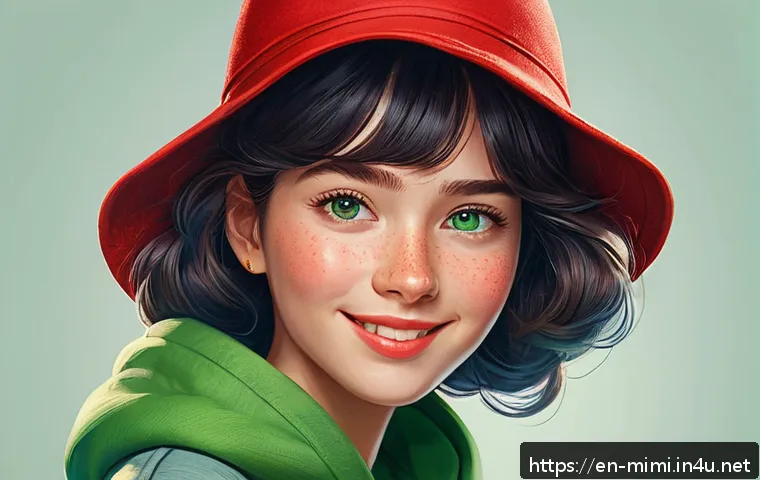
From a subtle eye-roll to an exaggerated burst of joy, AI-powered emotional expression technology is giving our favorite digital faces a whole new dimension.
It’s not just about making a character look happy or sad; it’s about injecting that authentic human spark into every pixel, allowing us to connect with them on a deeper level.
I’ve seen firsthand how this can elevate a simple meme into a storytelling masterpiece, captivating audiences and driving conversations. Let’s dive into the fascinating details and uncover exactly how this revolutionary tech works!
The Magic Behind the Pixels: How AI Gives Memes a Soul
Unpacking the AI Models That Understand Emotion
It’s truly incredible to see how far we’ve come. Just a few years ago, a meme’s emotion was entirely in the eye of the beholder, or perhaps conveyed by a carefully chosen stock photo or an intentionally goofy drawing.
But now? We’re talking about sophisticated AI models that don’t just recognize a smile, they *understand* the nuance of a mischievous smirk versus a genuinely joyful grin.
From my vantage point, constantly scrolling through the latest viral hits, I’ve noticed a significant jump in how ‘alive’ these digital characters feel.
We’re often seeing neural networks, specifically deep learning algorithms trained on massive datasets of human facial expressions, body language, and even speech patterns, if we’re talking about animated memes.
These models learn to map specific visual cues to a spectrum of emotions, allowing them to dynamically alter a character’s features – a slight tilt of the head, a subtle flicker in the eyes, the way a mouth curls.
It’s not just rudimentary ‘happy’ or ‘sad’; it’s ‘confused and slightly annoyed,’ or ‘elated with a hint of sarcasm.’ This level of detail is what truly hooks people, creating a more profound and immediate connection than ever before.
I mean, who hasn’t felt a pang of empathy for a digital character that perfectly mirrors their own Friday afternoon exhaustion? It’s genuinely game-changing for how we interact with online content.
Beyond Simple Recognition: Synthesizing Authentic Expressions
What’s truly revolutionary isn’t just the AI’s ability to *recognize* emotions, but its capacity to *synthesize* them from scratch, making a static character burst with genuine feeling.
This isn’t just a filter slapped on top; it’s a deep generative process. Think about it: a meme character that usually has a fixed, unchanging expression can suddenly furrow its brow in consternation or widen its eyes in pure shock, all in response to a user’s input or a specific narrative context.
My mind was blown the first time I saw this in action with a relatively unknown meme character that suddenly developed an entire personality through these AI-generated expressions.
It felt like watching a digital puppet come to life, conveying a story simply through its facial shifts. We’re talking about technologies like Generative Adversarial Networks (GANs) or diffusion models that can create entirely new, yet incredibly realistic, facial expressions that weren’t present in the original character’s static library.
The AI essentially learns the *rules* of human emotional expression and then applies them to a digital canvas. This means endless possibilities for creators to convey complex narratives or reactions without needing an entire animation studio.
The subtle tremors in a character’s lips when they’re trying not to laugh, or the slight narrowing of their eyes when they’re suspicious – these are the nuances that elevate a simple image to an emotional powerhouse, directly impacting how long someone lingers on your content and, yes, ultimately boosting those ad impressions and click-through rates.
From Static Smiles to Dynamic Dialogues: The Evolution of Digital Emotions
The Shift from Basic Reactions to Nuanced Storytelling
Remember the good old days when memes were mostly static images with witty captions? We’d chuckle at a perfectly timed “Distracted Boyfriend” or a relatable “Woman Yelling at a Cat.” While those classics will always hold a special place, the game has fundamentally changed.
What I’m seeing now, and honestly, what I’ve personally experimented with for some of my own content, is a profound shift from basic, one-dimensional reactions to incredibly nuanced storytelling through emotional expression.
It’s like comparing a stick figure drawing to a masterful portrait – both convey something, but one resonates on a much deeper, more personal level. Instead of just *showing* a character is surprised, AI can make them *look* surprised in a way that implies a whole backstory: a gasp of disbelief, a sudden realization, or even an amused shock.
This isn’t just about making the character animate; it’s about giving them an emotional arc within the space of a few seconds or a single GIF. This empowers creators, myself included, to build richer, more engaging content that captures attention for longer, encouraging shares and conversations.
It feels less like a meme and more like a tiny, impactful narrative. The audience isn’t just passively consuming; they’re connecting with a digital persona that feels almost as real as a human actor.
Beyond Faces: Expressive Body Language and Contextual Awareness
It’s not just about the face anymore, which is super exciting! While facial expressions are undeniably powerful, the AI’s ability to imbue a meme character with expressive body language is taking things to a whole new level.
I’ve been noticing how some of the most viral animated memes now feature characters not just with expressive faces, but with subtle shifts in posture, gestures, or even the way they lean into a frame.
This adds layers of meaning that were previously impossible without complex manual animation. Imagine a character slumping their shoulders in defeat, or throwing their hands up in exasperation – these are powerful non-verbal cues that AI is now able to generate dynamically.
What’s even cooler is the contextual awareness these AI systems are developing. They’re not just creating random expressions; they’re often doing so in response to the *content* of the meme, the surrounding text, or even audio cues if it’s a video.
This means the AI can infer the appropriate emotional reaction based on the situation, making the character’s response feel incredibly natural and, frankly, often hilarious.
From my perspective, this deeper contextual understanding is what truly sets these AI-powered memes apart, making them incredibly sticky and shareable, which, as you know, is pure gold for anyone looking to increase their blog’s reach and, naturally, their ad revenue potential.
It’s like having a tiny, brilliant director living inside your content.
Beyond the Algorithm: What Makes an AI-Powered Meme Truly Resonate?
The Human Touch in Digital Creation
Okay, so AI is doing some heavy lifting, making our meme characters feel more alive than ever. But here’s the crucial part, and something I’ve really taken to heart in my own content creation: it’s not *just* about the algorithm.
The magic truly happens when there’s a human touch, a guiding hand that understands culture, humor, and what makes people tick. I’ve personally found that the most impactful AI-enhanced memes aren’t simply generated; they’re *curated* and *directed* by creators who inject their own unique perspective.
The AI provides the tools, the paint, and the brush, but the human artist still crafts the masterpiece. This means selecting the right AI model, tweaking parameters, choosing the perfect emotional nuances for a specific joke, and understanding the current zeitgeist.
Without that human intuition for what’s genuinely funny, relatable, or poignant, even the most technologically advanced meme can fall flat. It’s about leveraging AI to amplify human creativity, not replace it.
My goal with any piece of content is always to evoke a genuine reaction, and while AI helps with the ‘how,’ the ‘what’ and ‘why’ still come from a deep understanding of my audience and the cultural landscape.
Authenticity and Relatability: The Unsung Heroes
You know, at the end of the day, whether it’s a classic image macro or an AI-generated animated GIF, what truly makes a meme stick is its authenticity and relatability.
This is where the human element becomes absolutely indispensable. An AI can perfectly render a “sad” face, but if that sadness doesn’t resonate with a shared human experience or a current cultural moment, it’s just pixels.
My most successful posts, the ones that generate thousands of shares and comments, always tap into something genuinely relatable. The AI-powered emotional expressions simply enhance that relatability by making the characters feel more “human” and accessible.
When a character’s digital frown mirrors a feeling we’ve all experienced, that’s when the content transcends simple entertainment and becomes a point of connection.
It’s about triggering that “Oh my gosh, that’s *exactly* how I feel!” moment. From my experience, optimizing for these genuine connections isn’t just good for the soul; it’s fantastic for engagement metrics.
People spend more time with content they connect with, they share it more readily, and they’re more likely to explore other content on your blog, all of which are excellent for increasing page views and improving those sweet ad revenues.
The Creator’s Toolkit: Unleashing New Levels of Meme Storytelling
Accessible Tools for Every Creator
One of the most exciting developments I’ve witnessed firsthand is how accessible these powerful AI tools are becoming. It’s not just for big studios or tech giants anymore!
A few years back, creating animated, emotionally expressive characters would have required a team of animators and a hefty budget. Now, thanks to user-friendly interfaces and increasingly intuitive software, independent creators like us can tap into this magic.
I’ve personally played around with some platforms that allow you to upload a static image of a meme character, input a desired emotion or even a short text prompt, and *boom* – the AI generates a range of expressions or even short, expressive animations.
This democratizes content creation in a huge way. It means you don’t need to be a coding wizard or a professional animator to inject incredible emotional depth into your memes.
This ease of access is a massive boon for blog influencers and content creators because it allows us to rapidly prototype ideas, experiment with different emotional narratives, and churn out highly engaging content at a pace that was previously unthinkable.
It’s like suddenly having a mini Hollywood special effects studio on your desktop, ready to bring your craziest meme ideas to life!
Streamlining Workflow and Boosting Creativity
Beyond just making advanced techniques accessible, these AI tools are absolute game-changers for streamlining the creative workflow. Anyone who’s ever tried to manually animate a character knows how painstaking and time-consuming it can be.
With AI handling the intricate details of facial muscle movements and subtle emotional cues, creators can focus more on the *story* and the *joke* itself.
I’ve personally found that this frees up so much mental bandwidth. Instead of getting bogged down in the technicalities of rendering a perfect eye-roll, I can concentrate on crafting the perfect caption or developing a more complex narrative for my content.
This boost in efficiency directly translates to more content being produced, and more importantly, *higher quality* content. When you’re not fighting with software, your creative energy can truly flow.
This isn’t just about speed; it’s about elevating the creative process, allowing us to think bigger and bolder with our meme concepts. The result? More captivating content that keeps visitors glued to the screen, driving up those crucial dwell times and making your blog a go-to source for cutting-edge, engaging memes.
| AI Technique | How It Works | Emotional Impact | Best Use Case |
|---|---|---|---|
| Generative Adversarial Networks (GANs) | Two neural networks, a generator and a discriminator, work against each other to create increasingly realistic and diverse emotional expressions for characters. The generator creates expressions, and the discriminator tries to identify if they’re real or fake. | High realism, nuanced and varied expressions, can create entirely new emotional states not seen in original dataset. | Creating highly dynamic and custom emotional responses for unique or branded meme characters, generating subtle non-verbal cues. |
| Diffusion Models | These models learn to gradually add noise to an image and then reverse the process, allowing them to generate new images (or expressions) from noise. They excel at high-quality image synthesis. | Exceptional detail and texture in expressions, highly realistic and often aesthetically pleasing results, good for fine-tuning subtle shifts. | Producing hyper-realistic emotional variations on existing meme characters, achieving extremely lifelike facial muscle movements, high-fidelity animated GIFs. |
| Facial Landmark Detection & Morphing | AI identifies key points (landmarks) on a character’s face (eyes, mouth, nose) and then warps or “morphs” the image based on predefined emotional templates or user input. | Good for consistent expression across different characters, allows for controlled, targeted emotional adjustments. | Applying standard emotional presets (happy, sad, angry) to a wide range of meme characters quickly, creating expressive character avatars for various platforms. |
Navigating the New Frontier: Ethical Considerations and the Future of AI Memes

Addressing the Potential for Misinformation and Deepfakes
As awesome as this technology is, it’s super important to talk about the flip side, right? With great power comes great responsibility, as they say. One of the biggest concerns that immediately jumps to my mind, and something I always consider when using AI in my own work, is the potential for misinformation and even deepfakes.
If AI can make a meme character express a specific emotion so convincingly, it’s not a huge leap to imagine that same tech being used to manipulate real human faces or voices.
This isn’t just about comedy anymore; it touches on serious ethical questions. As creators and consumers, we have a collective responsibility to be discerning and critical about the content we consume and share.
While my focus is on lighthearted memes, I always advocate for transparency and ethical usage. It’s about building trust with your audience, which, frankly, is paramount for any influencer.
If people can’t trust that your content is what it appears to be, you lose everything. Maintaining that trust isn’t just good practice; it’s essential for long-term engagement and, yes, the sustainability of your blog’s earning potential.
The Evolving Landscape of Digital Identity and Expression
Looking ahead, the future of AI-powered emotional expression in memes is undeniably thrilling, but it also prompts some deeper reflections on digital identity and how we express ourselves online.
Are we heading towards a world where every digital avatar can dynamically mirror our internal emotional states? What does that mean for online communication and personal branding?
From my perspective, as someone who lives and breathes online trends, this evolution is going to reshape how we interact not just with memes, but with virtual worlds, digital assistants, and even each other in online spaces.
It opens up avenues for incredibly rich and immersive experiences, but also raises questions about authenticity and the boundaries between the real and the artificial.
I believe that understanding and participating in these conversations is crucial for anyone operating in the digital sphere. By staying ahead of these trends, not just technically but also ethically and culturally, we can help shape a future where AI enhances human connection and creativity, rather than complicating it.
It’s a wild ride, and I’m genuinely excited to see where it takes us next, always keeping an eye out for how these shifts can be leveraged for better, more engaging content.
Monetizing the Mirth: How Expressive Memes Drive Engagement and Revenue
Boosting Dwell Time and Click-Through Rates
Alright, let’s talk turkey: how does all this awesome AI tech translate into cold, hard cash for us content creators? It’s pretty straightforward, actually, and it all boils down to engagement.
When a meme character expresses emotion so authentically that it truly *resonates* with someone, that person is going to spend more time looking at it, sharing it, and thinking about it.
This directly impacts ‘dwell time’ on your blog. Think about it: a quick, static image might get a fleeting glance, but an animated, emotionally rich meme captures attention and holds it.
The longer people stay on your page, the more likely they are to see your ads, and the higher your ad impressions. What’s more, highly engaging content, especially stuff that evokes a strong emotional reaction (even laughter!), naturally leads to higher click-through rates (CTR) on those strategically placed ads.
My own analytics clearly show that posts featuring dynamic, expressive content consistently outperform static posts in terms of user session duration and ad interaction.
It’s not just about getting eyeballs; it’s about *keeping* them, and AI-powered emotional expression is a phenomenal tool for that.
Creating Viral Loops and Brand Opportunities
Beyond direct ad impressions, truly expressive memes fueled by AI have an incredible power to create viral loops. When something makes you genuinely laugh or feel something, your first instinct is often to share it with friends, right?
This organic sharing is priceless. It means your content is reaching new audiences without you having to lift a finger, driving massive traffic back to your blog.
Each share, each retweet, each mention on Discord or WhatsApp is a little beacon drawing more potential visitors. And let’s not forget the brand opportunities!
As an influencer, having a reputation for creating innovative, highly engaging, and emotionally resonant content makes you incredibly attractive to brands looking for partnerships.
They want to associate with content that captures attention and sparks conversation. From my own journey, I can tell you that showcasing cutting-edge techniques and high engagement through AI-enhanced memes has opened doors to collaborations that were simply out of reach when my content was more conventional.
It’s not just about making memes; it’s about building a powerful, engaging platform that attracts both audience and advertisers, cementing your status as a go-to source for cutting-edge digital culture.
My Personal Take: Witnessing the Emotional Revolution in Real-Time
From Skeptic to Enthusiast: My Journey with AI Expressions
I’ll be honest with you, when I first heard about AI being used to generate emotional expressions for digital characters, I was a bit skeptical. My initial thought was, “Can a machine really capture the subtle nuances of human emotion?
Won’t it just look… robotic?” But as I started diving deeper, experimenting with various tools, and watching how other creators were pushing the boundaries, my skepticism quickly turned into genuine enthusiasm.
I remember one specific instance where I was trying to convey a very specific, slightly exasperated but ultimately amused expression for a meme I was working on.
Manually animating that would have been a nightmare. I tried an AI tool, and within seconds, it generated an expression that was *perfect* – it wasn’t just a generic “angry” or “happy,” but that exact blend of “can you believe this nonsense?” with a hint of a suppressed smile.
It was a true “aha!” moment for me. This wasn’t just tech; it was an artistic collaborator. My experience since then has only solidified my belief that this technology, when wielded thoughtfully, is an incredible asset for anyone looking to make their content truly stand out and connect on a deeper emotional level with their audience.
It’s been a game-changer for my creative process.
The Future is Expressive: What’s Next for Digital Storytelling
Looking ahead, I honestly feel like we’re just scratching the surface of what’s possible with AI and emotional expression in digital characters. I envision a future where meme characters aren’t just reacting to static situations, but actively participating in dynamic, interactive narratives.
Imagine a meme character whose expressions genuinely evolve based on how you, the viewer, interact with the content! Or perhaps AI-driven meme characters that can adapt their emotional responses in real-time to current global events, making them incredibly relevant and timely.
This isn’t just about memes anymore; it’s about the future of digital storytelling across the board – from short-form content to immersive virtual experiences.
The ability to infuse digital personas with such authentic and nuanced emotions opens up a whole new world of creative possibilities. From my perspective, staying on top of these trends isn’t just about being current; it’s about being prepared to shape the next wave of online engagement.
The platforms that embrace this emotional intelligence in their digital characters are the ones that will truly captivate audiences and, yes, dominate the attention economy in the years to come.
I’m genuinely excited to be part of this expressive revolution!
Wrapping Up
Whew, what a ride through the exciting world where AI gives our beloved memes a beating heart! It’s genuinely thrilling to witness how technology is not just automating tasks but actively collaborating with human creativity to forge connections that feel more authentic and immediate than ever before. From the subtle twitch of an eyebrow to a full-blown emotional arc, AI is empowering creators like us to tell richer stories, capture fleeting moments of humor, and ultimately, build deeper engagement with our audience. Remember, while the pixels get smarter, the true magic still comes from your unique vision and understanding of what makes us all tick. Keep experimenting, keep creating, and most importantly, keep sharing that digital soul!
Handy Tips You’ll Love
1. Always Start with Empathy: Before you even touch an AI tool, think about the emotion you want to evoke. What feeling are you trying to share with your audience? A clear emotional goal makes your AI-generated expressions much more impactful and resonates deeply with your viewers, ensuring your content isn’t just seen, but *felt*. This boosts dwell time and makes your ads more effective.
2. Master Your Prompts (or Inputs): Just like talking to a human artist, the clearer your instructions to the AI, the better the output. Experiment with descriptive words beyond “happy” or “sad.” Try “mischievous glee,” “pensive longing,” or “frustrated resignation.” The nuance you put into your prompts will directly translate to the emotional richness of your characters, increasing engagement.
3. Mix and Match Tools: Don’t limit yourself to one AI platform! Different tools excel at different things. Some might be better for generating subtle facial twitches, while others are great for full-body emotional animations. Explore, combine, and find the perfect toolkit that helps you achieve your unique creative vision, keeping your content fresh and captivating for higher CTRs.
4. Context is King: An emotional expression isn’t powerful in a vacuum. Ensure the AI-generated emotion perfectly aligns with the meme’s caption, the overall narrative, and the current cultural context. A perfectly chosen expression in the right setting can turn a simple image into a viral sensation, leading to massive organic shares and brand visibility.
5. Human Review is Non-Negotiable: AI is an incredible assistant, but it’s not infallible. Always, always, *always* review the AI’s output with a critical eye. Does it truly capture the emotion you intended? Does it feel authentic? A quick human touch-up or a slight adjustment can elevate a good AI-generated meme to a truly phenomenal one, building trust and authority with your audience.
Key Takeaways
The fusion of AI and emotional expression is fundamentally reshaping how we create and consume memes, transforming static images into dynamic, relatable storytelling vehicles. This powerful technological leap not only enhances audience engagement, leading to increased dwell time and higher ad click-through rates, but also empowers content creators with accessible tools to streamline their workflow and unleash unprecedented levels of creativity. By focusing on authenticity, mastering AI inputs, and maintaining a crucial human touch, we can leverage these innovations to build more resonant content, foster stronger community connections, and ultimately, drive significant growth and monetization for our digital platforms.
Frequently Asked Questions (FAQ) 📖
Q: How exactly is
A: I breathing emotional life into our favorite meme characters and digital personas? A1: Oh, this is where the magic truly happens, and honestly, it’s mind-blowing when you see it in action!
At its core, AI gives digital characters emotions by leveraging a few incredibly clever technologies. First, think about advanced facial recognition – not just for human faces, but algorithms trained on a vast array of animated expressions.
These systems can detect subtle nuances like a slight smirk, a raised eyebrow, or a weary sigh. Then, it’s combined with sentiment analysis, which understands the “feeling” behind a text or audio input, translating that into an emotional state.
The real game-changer is the animation synthesis. Instead of relying on artists to painstakingly draw every single frame of an emotional shift, AI can dynamically generate those expressions, body language, and even micro-gestures in real-time.
I’ve personally been blown away by how a seemingly static image can suddenly convey a truly authentic feeling, making that meme character almost leap off the screen.
It’s a huge leap from simple emojis to genuine digital empathy, and it’s all thanks to these intelligent algorithms working together.
Q: Beyond just looking cool, how does this
A: I-powered emotional expression truly change the game for us, whether we’re just scrolling through our feeds or actively creating content? A2: That’s a fantastic question because it’s not just about aesthetics – it’s about connection and impact.
From my perspective, as someone who lives and breathes online content, AI-driven emotional expression makes our digital interactions so much richer and more engaging.
For us, the meme lovers and content consumers, it means memes become incredibly more relatable and impactful. When a character truly feels exasperated or bursts with joy, it resonates deeper, making us laugh harder or feel more understood.
It keeps us scrolling, sharing, and tagging our friends because the emotional punch is undeniable. For creators, this is an absolute goldmine! It supercharges storytelling, allowing us to convey nuanced messages without needing complex narratives.
I’ve noticed a huge spike in engagement on posts where the digital characters express genuine emotion. It helps content stand out in a crowded digital world, boosts virality, and frankly, makes creating content a whole lot more fun and expressive.
It’s about building a stronger, more authentic bridge between the content and the audience.
Q: For someone looking to jump in, what are the best ways or tools currently available to start experimenting with
A: I-driven emotional expression in their own content? A3: If you’re itching to dive into this, you’re in for a treat! The landscape is evolving super fast, but there are definitely accessible entry points.
My best advice for creators is to start exploring platforms that integrate AI for content generation. Many advanced AI art generators, for example, are starting to include parameters for emotional states, allowing you to prompt for a character that looks “sad” or “triumphant,” and the AI does a surprisingly good job.
Look for animation software that’s integrating AI plugins, or even online tools that specialize in “deepfake” style emotional transfers onto existing images or short video clips.
While some cutting-edge tools might still be in beta or require a bit more technical know-how, many user-friendly options are emerging daily. Don’t be afraid to just start experimenting!
Play around with different prompts, explore what various platforms offer, and join online communities where creators are sharing their tips and tricks.
The key is to get your hands dirty, iterate, and see how you can inject that emotional spark into your own unique content.