In today’s fast-paced digital world, protecting the unique identity of characters like Mimi has become more crucial than ever. With the surge of online content creation and sharing, understanding the legal frameworks that safeguard character IP rights is no longer optional—it’s essential.

Whether you’re an artist, writer, or content creator, navigating these legal waters can feel overwhelming. But don’t worry, we’re diving into the key strategies and insider tips to help you secure your creative assets.
Stick around to uncover how to defend your characters from infringement and ensure your hard work stays truly yours in the digital age.
Understanding the Foundations of Character Protection
What Constitutes a Protectable Character?
Characters, whether in literature, animation, or digital art, must meet certain criteria to qualify for legal protection. It’s not just about having a name or a face; the character should have distinctive traits, personality, and a unique identity that sets it apart from generic figures.
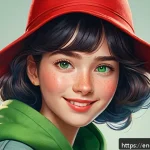
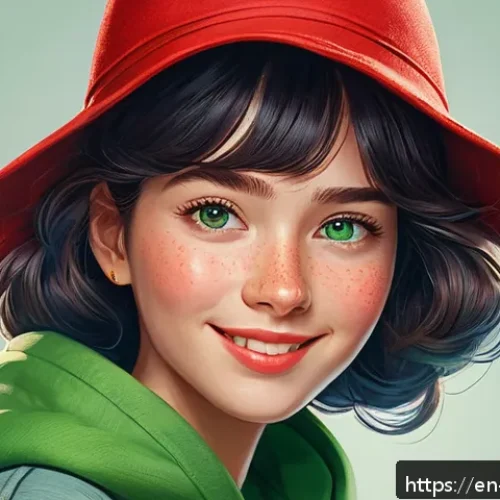
For example, a character like Mimi isn’t just “a girl with a red hat”—her quirks, backstory, and visual style all combine to create something legally recognizable.
From my own experience, when I first tried to register a character, understanding these nuances helped me avoid common pitfalls and made the process smoother.
Copyright vs. Trademark: What’s the Difference for Characters?
This is where many creators get tangled up. Copyright protects the original expression of the character—the artwork, the storylines, the scripts—while trademarks cover the character’s name, logo, or any symbol used to identify the brand.
I learned firsthand that relying on one without the other can leave your character vulnerable. For instance, a copyright won’t stop someone from using a similar name if it’s not trademarked, and a trademark won’t protect your unique character design if the copyright isn’t in place.
Balancing both is crucial to creating a solid legal shield.
The Role of Trade Dress and Design Patents
Beyond copyright and trademark, trade dress protects the overall look and feel of a character, including costume, style, and packaging, which can be especially important in merchandising.
Design patents offer another layer of protection for unique visual features. I’ve noticed that creators often overlook these options, but when you plan to license your character or expand into products, these protections become invaluable.
It’s a bit technical but totally worth the effort if you want to keep your character’s image exclusive.
Strategies to Safeguard Your Creative Work Online
Monitoring and Enforcement: Staying Ahead of Infringement
One of the biggest challenges I faced was keeping track of unauthorized use of my character. Setting up alerts, using reverse image searches, and routinely checking social media platforms are must-do steps.
It’s like being on constant patrol. You can’t just register your rights and forget about them; active enforcement is key. Early detection can prevent small issues from turning into full-blown legal battles.
If you spot infringement, sending a clear cease-and-desist letter often does the trick before escalating.
Leveraging Contracts and Licensing Agreements
Protecting your character isn’t just about legal registrations; it’s also about smart business practices. I’ve found that drafting clear contracts when collaborating or licensing your character is essential.
These agreements should specify how your character can be used, the duration, compensation, and importantly, what happens if terms are violated. Having everything on paper minimizes misunderstandings and reinforces your ownership.
When I worked with a freelance illustrator, a well-detailed contract saved me from potential misuse of my character design.
Utilizing Digital Watermarks and Metadata
In the digital age, embedding watermarks or metadata into your character images or videos adds a subtle yet powerful layer of protection. It’s not foolproof, but it helps prove ownership if disputes arise.
I started using digital watermarks on every piece of content I uploaded, and it gave me peace of mind knowing there was an invisible signature linking back to me.
Plus, metadata can show creation dates and authorship, which is often critical evidence in legal claims.
Common Legal Pitfalls and How to Avoid Them
Unintentional Infringement and Similarities
One thing I’ve learned is that you can unintentionally create characters that resemble existing ones, especially with popular archetypes. This is a legal minefield.
Conducting thorough research before public release is crucial. Tools like trademark databases and copyright registries can help you spot potential conflicts.
I once nearly launched a character that shared too many traits with a well-known figure and had to go back to the drawing board. It’s better to be cautious than face costly disputes later.
Misunderstanding the Scope of Protection
Many creators assume their character is fully protected immediately upon creation, but that’s not always true. Copyright is automatic for original works, but trademarks and patents require formal registration.
Plus, protection can vary by country, so if you’re targeting a global audience, you’ll need to understand international laws. I made the mistake of focusing only on US protections early on, which limited my ability to expand overseas.
Learning about treaties like the Berne Convention helped me plan better.
Failing to Document Your Creative Process
When legal issues arise, having a detailed record of your character’s development can be a game-changer. Sketches, drafts, notes, and dated files serve as evidence that you created the character first.
I kept meticulous folders and journals tracking each stage, which proved invaluable when I had to defend my rights. Without this documentation, it’s much harder to prove originality or contest infringement claims.

Maximizing the Commercial Potential of Your Characters
Brand Building Through Consistent Character Use
Characters become valuable assets when they are consistently used across platforms and products. I’ve seen that the more recognizable Mimi became, the easier it was to negotiate licensing deals.
Consistency in style, personality, and messaging strengthens your brand identity. It’s like building a relationship with your audience, making the character memorable and marketable.
Exploring Merchandise and Licensing Opportunities
Monetizing your character goes beyond digital content. Merchandising—like toys, apparel, and accessories—can open lucrative revenue streams. I’ve personally partnered with local manufacturers to create limited-edition items featuring my character, which not only generated income but also increased exposure.
Licensing your character to other creators or companies can amplify reach but requires carefully crafted agreements to protect your interests.
Using Social Media and Crowdfunding to Boost Visibility
Social media platforms are powerful tools to showcase your character and build a fanbase. I used Instagram and TikTok to share stories, behind-the-scenes content, and artwork, which helped create a loyal community.
Crowdfunding campaigns have also been a fantastic way to finance projects while validating market demand. Just remember, the stronger your online presence, the more leverage you have in legal and commercial negotiations.
Essential Legal Resources and Tools for Creators
Where to Register and Protect Your Work
Knowing where and how to register your character is half the battle. The U.S. Copyright Office and USPTO are primary agencies, but international bodies like WIPO offer protections abroad.
I once spent hours navigating these websites and recommend consulting with an IP attorney to avoid costly errors. Some services also offer bundled registrations for characters, which can save time and ensure comprehensive coverage.
Helpful Online Tools for Monitoring and Research
Tools like Google Reverse Image Search, Trademark Electronic Search System (TESS), and various IP monitoring services can save you from headaches down the road.
I rely heavily on these for quick checks and ongoing surveillance. Setting up Google Alerts for your character’s name or unique phrases also helps catch unauthorized use early.
When to Consult a Professional
While DIY methods are useful, there’s no substitute for expert legal advice when it comes to protecting valuable characters. I’ve worked with IP lawyers who clarified complex issues and drafted airtight contracts.
If your character is central to your business, investing in professional counsel is a smart move to avoid expensive disputes and maximize your rights.
Comparison of Key Intellectual Property Protections for Characters
| Protection Type | What It Covers | Registration Required? | Duration | Best Use Case |
|---|---|---|---|---|
| Copyright | Original character designs, stories, scripts | No (automatic upon creation) | Life of author + 70 years | Protecting the artistic and literary expression |
| Trademark | Character names, logos, symbols used commercially | Yes | Renewable every 10 years | Brand identity and commercial use |
| Trade Dress | Overall look and feel, costume, style | No (can be registered) | Indefinite, as long as in use | Merchandising and packaging |
| Design Patent | Unique ornamental design features | Yes | 15 years from grant | Protecting visual design elements |
In Conclusion
Protecting your character requires a clear understanding of the different types of intellectual property and how they work together. From my experience, combining legal safeguards with proactive monitoring and smart business practices creates the strongest defense. Remember, your character is not just art—it’s an asset that deserves serious protection and strategic development.
Helpful Tips to Keep in Mind
1. Always research existing characters thoroughly to avoid accidental infringement before launching your own.
2. Use a combination of copyright, trademark, trade dress, and design patents to cover all aspects of your character.
3. Regularly monitor the internet and social media for unauthorized use of your character to catch issues early.
4. Draft clear contracts and licensing agreements to protect your rights when collaborating or monetizing.
5. Keep detailed records of your creative process to establish proof of originality if disputes arise.
Key Takeaways for Character Protection
Understanding the nuances of intellectual property rights is essential for safeguarding your creations. Legal protections differ in scope and duration, so combining them strategically offers the best coverage. Active enforcement and thorough documentation strengthen your position against infringement. Lastly, treating your character as a valuable brand asset opens doors to monetization while maintaining control over its use.
Frequently Asked Questions (FAQ) 📖
Q: uestions about Protecting Character IP RightsQ1: How can I legally protect the unique identity of my character like Mimi?
A: To safeguard your character’s identity, start by registering copyrights for any original artwork, storylines, or designs related to the character. Trademark registration can also protect distinctive names, logos, or catchphrases associated with your character.
Beyond formal registrations, keep detailed records of your creative process and publication dates—these can serve as evidence in disputes. I’ve found that combining copyrights with trademarks creates a strong legal shield, especially when your character gains commercial traction.
Q: What should I do if I discover someone is using my character without permission online?
A: When you spot unauthorized use, act quickly but thoughtfully. First, document the infringement with screenshots and links. Then, reach out to the offender with a clear, polite cease-and-desist notice explaining your rights.
If that doesn’t work, you can file takedown requests under the Digital Millennium Copyright Act (DMCA) with platforms hosting the infringing content. In my experience, many issues get resolved at this stage, but if not, consulting an IP attorney to explore further legal action is wise.
Q: Are there any practical tips for creators to prevent character IP theft in the digital age?
A: Absolutely. Besides registering your rights, watermarking your artwork or embedding metadata can deter casual theft. Sharing your work on reputable platforms that enforce copyright rules helps, too.
Building a community around your character strengthens recognition and support, making it harder for infringers to go unnoticed. Personally, I also recommend educating yourself on IP basics and staying updated with evolving digital laws—this knowledge empowers you to protect your creations proactively.